
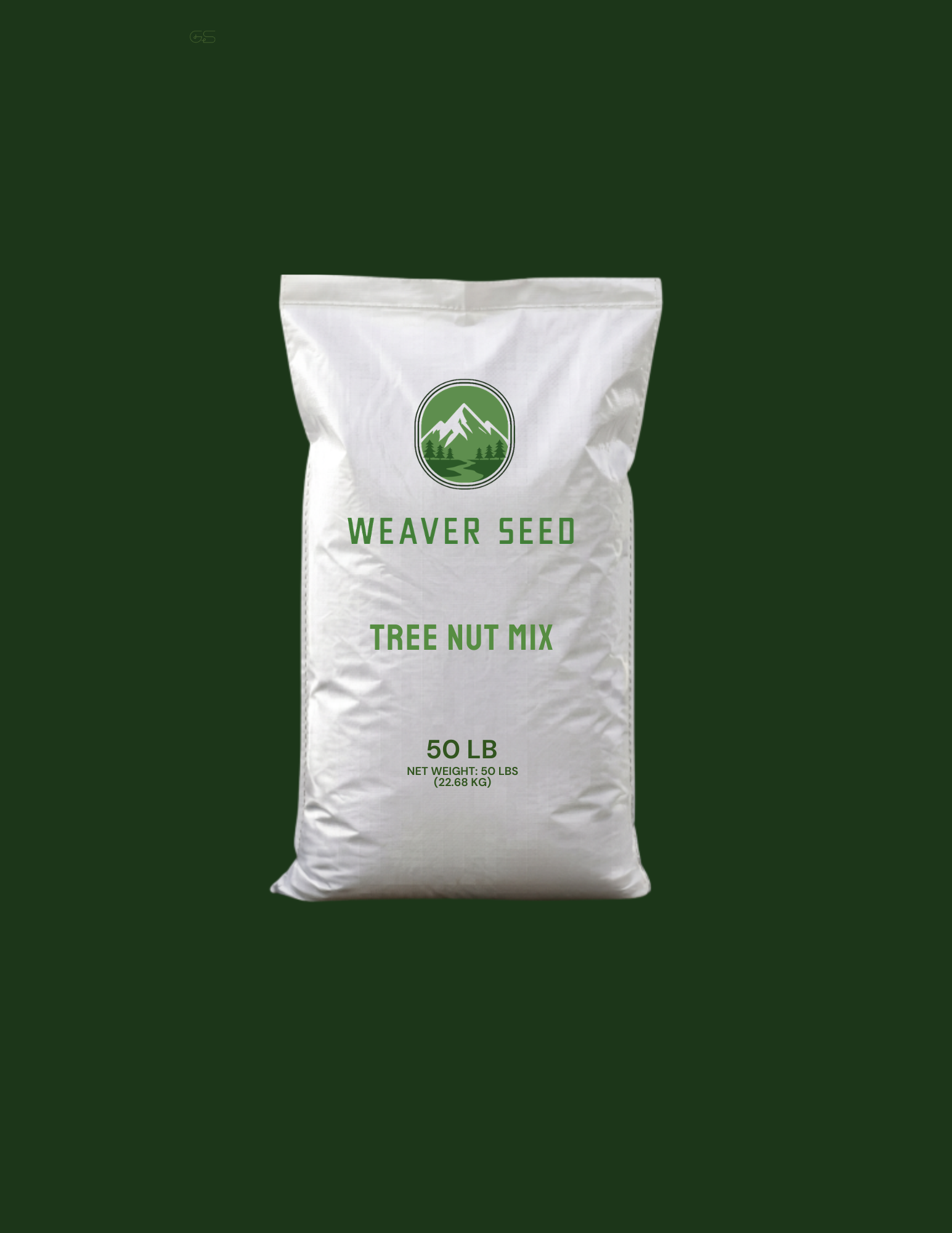
Tree Nut Mix
Tree Nut Mix combines cereals, legumes and brassicas to provide winter ground cover, biomass, nitrogen-fixation potential and multiple rooting types in managed tree-nut orchard middles.
Multiple Plant Types. Complementary Functions.
Tree Nut Mix combines cool-season cereals, legumes and brassicas to create a mixed orchard-floor canopy with several different rooting and growth characteristics.
Mix Component Note: Mix components are subject to change based on seed availability. Substitutions may be made with comparable species or varieties when necessary.
Built for a Managed Orchard Floor
The mix combines several functional plant groups to provide more than one type of cover-crop contribution during the winter growing season.
Winter Soil Cover
A successfully established stand can provide vegetative coverage across orchard middles during the winter growing season.
Nitrogen-Fixation Potential
Peas, faba beans and vetch provide legume components capable of fixing atmospheric nitrogen when successfully inoculated and nodulated.
Biomass Production
Cereals and broadleaf species contribute vegetative growth and residue that can increase the amount of seasonal plant material produced between orchard rows.
Rooting Diversity
Fibrous cereal roots, legume roots and brassica taproots provide different rooting architectures within the same planting.
Nutrient Capture
Actively growing cereal and brassica components can take up available nutrients and hold them within plant biomass during the growing season.
Mixed Residue
The combination of cereals, legumes and brassicas produces residue with different decomposition characteristics following termination.
Designed Around California Orchard Timing
Tree Nut Mix is best positioned as a fall planting after harvest and ahead of dependable winter moisture. Establishment and final growth depend on rainfall or irrigation, soil conditions, planting method and planting date.
Inoculation: Use an appropriate pea, bean and vetch inoculant unless the applicable legume components are already inoculated.
Plan the Termination Before You Plant
Tree Nut Mix can produce a medium-to-tall spring canopy. The best fit is an orchard where vegetation height, timing and residue can be actively managed.
When Tree Nut Mix Fits Best
Strong Fit
- Almond, walnut, pistachio and other tree-nut orchard middles.
- Winter soil cover, biomass and nitrogen contribution are important objectives.
- The orchard has adequate row-middle space for seasonal vegetative growth.
- Dependable winter moisture or establishment irrigation is available.
- Spring mowing or flail equipment is available.
- The orchard floor can be managed before harvest operations.
Consider Another Option
- A very low-growing or no-mow orchard cover is required.
- Winter moisture is severely limited and establishment irrigation is not available.
- Orchard middles remain ponded or chronically waterlogged.
- Spring vegetation cannot be managed before excessive growth or seed set.
- Early spring orchard access requires consistently short vegetation.
Consider Cover Height During Frost-Sensitive Periods
Tall orchard-floor vegetation can influence daytime soil heating and the orchard microclimate under some frost conditions. Where spring frost protection is important, manage cover height based on crop stage, orchard conditions and forecast weather rather than allowing the stand to remain unmanaged.
Management Note: Cover crop establishment, biomass, nitrogen contribution and orchard-floor performance vary with soil conditions, rainfall or irrigation, planting date, inoculation, temperature and management timing.
Planning a Tree Nut Cover Crop?
Contact Weaver Seed for current Tree Nut Mix availability, pricing or help determining whether this mix fits your orchard, planting method and management plan.
Request Pricing