
Spring Triticale
A vigorous spring-habit cereal combining characteristics of wheat and rye. Spring Triticale is valued for forage production, substantial biomass, soil cover and use as the cereal component of diversified cover crop and forage mixtures.
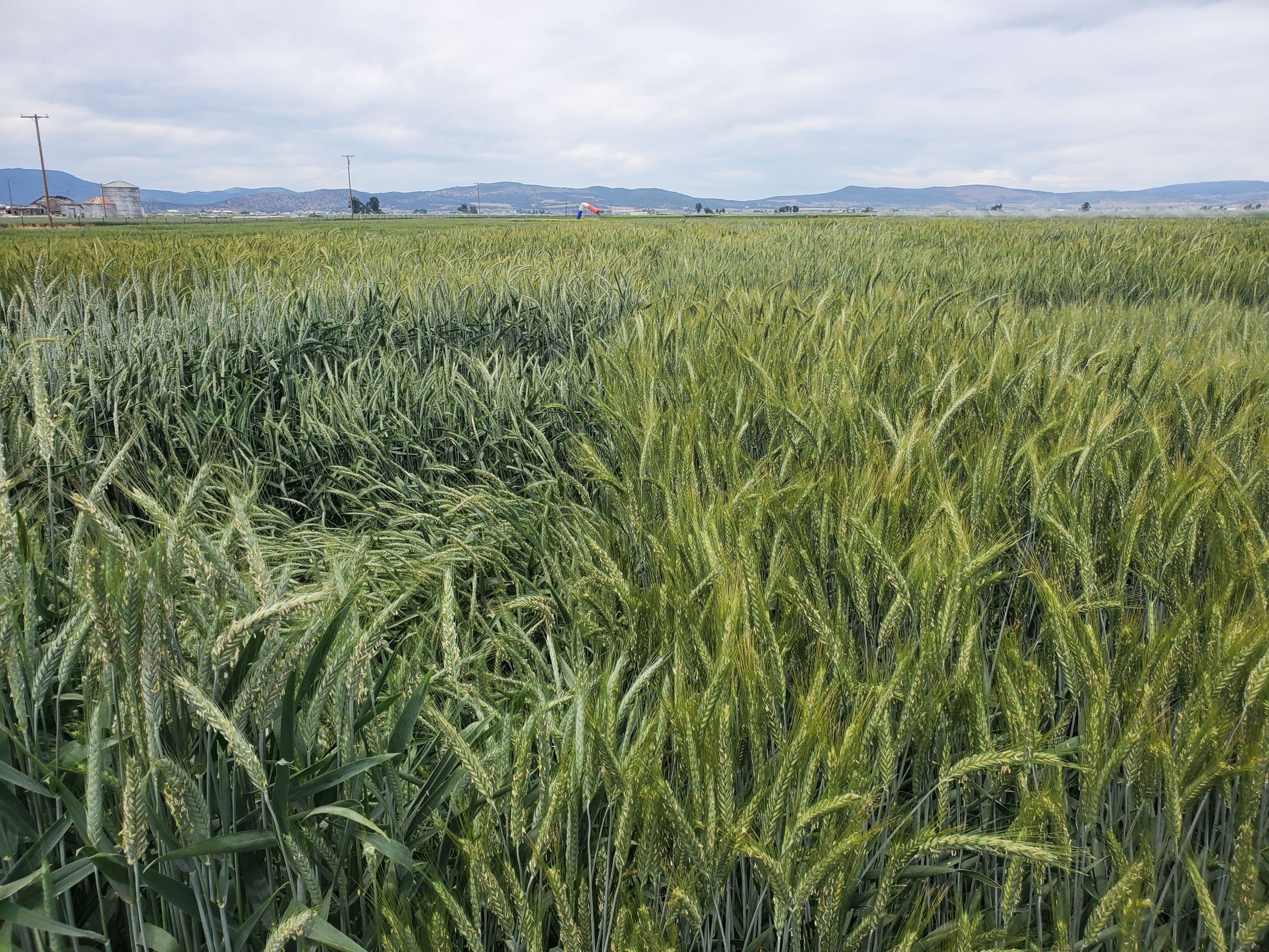
Productive Spring Cereal for Forage & Biomass
Spring Triticale combines characteristics of wheat and rye in a vigorous annual cereal crop. It is particularly useful where producers want substantial vegetative growth for forage, hay, silage or cover crop biomass.
Its upright growth and fibrous cereal root system make Spring Triticale useful as a pure stand or as the structural grass component of mixtures containing peas, vetches and other annual legumes.
Spring-habit varieties do not require the same winter chilling period as winter-habit cereals, giving growers additional flexibility in suitable planting windows.
Why Spring Triticale?
Spring Triticale is a strong choice when forage production and cereal biomass are primary objectives but a true spring-growth habit is preferred.
It can be used for green forage, hay, silage, soil cover or as part of a diversified cover crop mixture.
What Spring Triticale Brings to the Field
Forage Production
Vigorous vegetative growth makes Spring Triticale useful for green forage, hay and silage systems.
High Biomass Potential
Productive cereal growth can generate substantial above-ground plant material for forage and cover cropping.
Fibrous Root System
Dense cereal roots occupy the upper soil profile and contribute below-ground organic material.
Nutrient Capture
Active cereal growth can capture available nutrients during the growing period and retain them in plant biomass.
Soil Protection
Successfully established stands provide vegetative cover and surface residue that help protect exposed soil.
Mix Compatibility
Upright cereal growth pairs especially well with vining annual legumes such as peas and vetch.
Where Spring Triticale Fits
Forage
Productive cereal forage for livestock systems where substantial cool-season vegetative growth is desired.
Hay & Silage
Can be harvested for stored forage with quality and yield strongly influenced by harvest maturity.
Cover Crops
Adds cereal biomass, fibrous roots, nutrient capture and protective soil cover.
Custom Mixes
Provides upright structure and cereal biomass in mixtures containing peas, vetches and other legumes.
Spring Triticale Planting Information
Establish Spring Triticale into a firm seedbed with good seed-to-soil contact and adequate moisture. For true spring planting, seed as early as practical once field conditions permit.
Seeding rates are general guidelines. Adjust for seed quality, germination, planting method, intended use, planting date, soil moisture and whether Spring Triticale is planted alone or within a mixture.
Triticale was developed by combining wheat and rye genetics. The resulting crop is used extensively where growers want cereal forage, biomass and broad agronomic adaptability.
Spring-habit material allows growers to use triticale without relying on the vernalization requirement associated with winter-habit cereal varieties.
Spring and Facultative Triticale Are Different
Growth habit matters when choosing the right triticale for planting date, climate and production objective.
Best suited where a true spring-growth habit is desired for forage, biomass and cover crop production.
A facultative triticale with greater flexibility between fall and spring planting systems and a different maturity response.
Strong Cereal Partner for Annual Legumes
Forage Peas
Adds leafy legume forage and nitrogen-fixing potential while triticale provides upright structural support.
Austrian Winter Peas
Adds vining legume growth and additional forage diversity.
Common Vetch
Adds a climbing nitrogen-fixing annual legume to the cereal stand.
Faba Beans
Adds an upright broadleaf legume and another rooting architecture to diversified forage mixtures.
Manage for the Intended Use
Harvest Stage Matters
Forage quality generally declines while dry-matter yield increases as cereal plants mature. Hay and silage timing should reflect the desired balance between yield and quality.
Plan Cover Crop Termination
Spring Triticale can produce biomass rapidly under favorable conditions. Termination timing should account for biomass goals, following-crop timing and available soil moisture.
Avoid Waterlogged Conditions
Triticale performs best in reasonably well-drained soils and should not be expected to perform well under prolonged flooding.
Adjust Rates in Mixtures
Full pure-stand cereal rates are usually unnecessary when Spring Triticale is one component of a multi-species mix.
Need Spring Triticale Seed?
Contact Weaver Seed for current Spring Triticale availability, wholesale pricing, forage applications, custom mixtures and help determining the appropriate seeding rate for your operation.
Contact Weaver Seed