
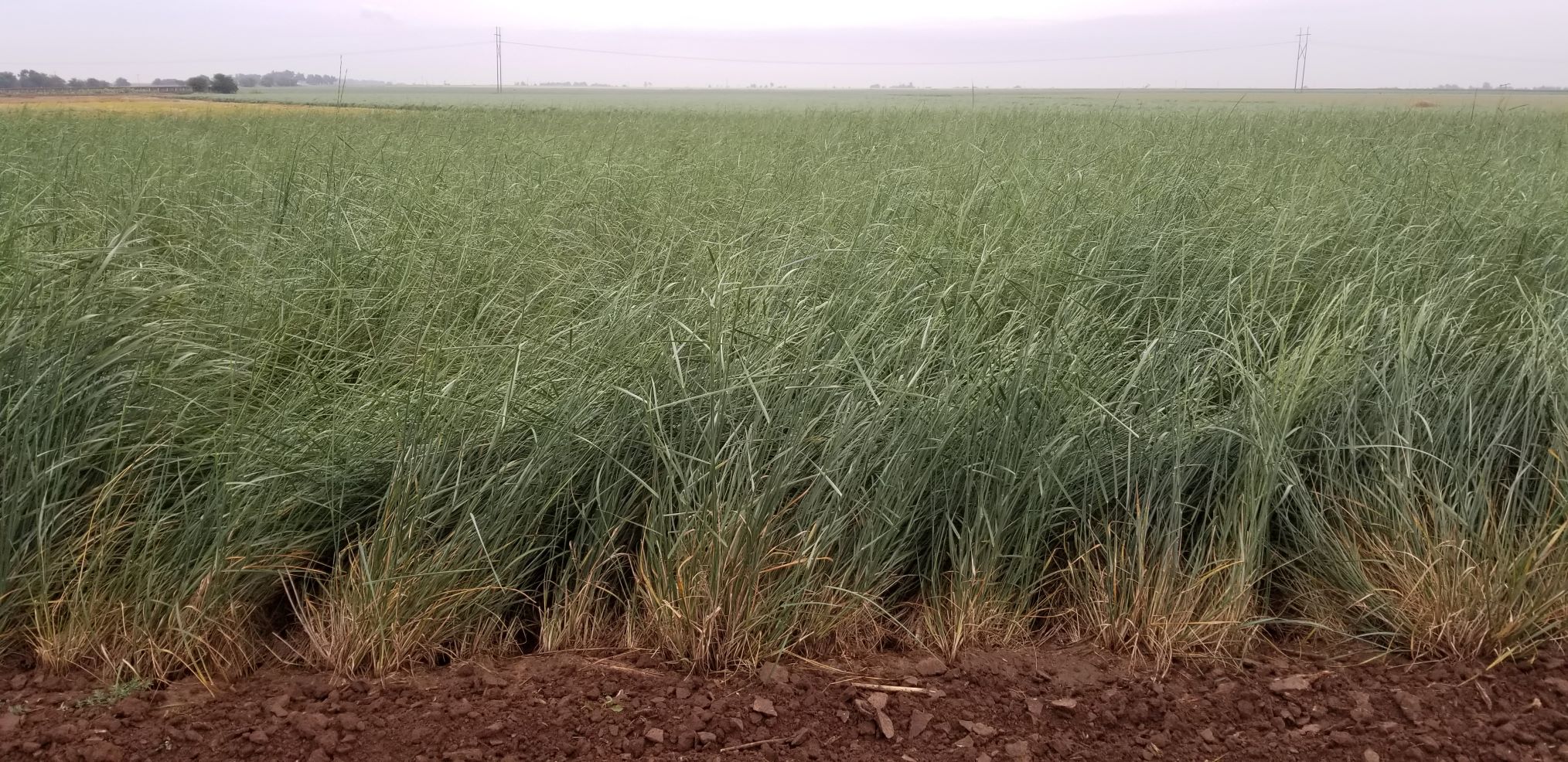
Tall Wheatgrass
Tall Wheatgrass is a long-lived cool-season perennial grass used in dryland pasture, range improvement and erosion-control plantings. It is particularly useful on difficult sites where salinity, alkalinity or limited moisture can restrict the use of less tolerant forage grasses.
Why Plant Tall Wheatgrass?
Tall Wheatgrass is most valuable where persistence and adaptation to challenging range or pasture conditions are more important than producing a highly manicured stand.
Salinity Tolerance
Tall Wheatgrass is one of the stronger forage-grass options for sites affected by elevated soil salinity.
Dryland Adaptation
Established stands can persist under relatively dry conditions where more moisture-demanding pasture grasses may struggle.
Perennial Forage
Provides a long-lived grass component for range and pasture systems under appropriate grazing management.
Range Improvement
Useful in reseeding projects where durable perennial grass cover is needed on difficult soils.
Erosion Protection
Fibrous perennial roots and persistent vegetative cover can help protect exposed soil on compatible sites.
Challenging Soil Fit
Tall Wheatgrass can be considered where salinity or alkaline soil conditions limit the establishment of less tolerant forage species.
Planting Tall Wheatgrass
Weaver Seed's working rate is approximately 20 lb per acre when drilled and 25 lb per acre when broadcast.
Plant into a firm seedbed with good seed-to-soil contact. Keep seed relatively shallow, generally no deeper than approximately 1/2 inch.
On dryland sites, coordinate planting with dependable seasonal rainfall or available soil moisture to give seedlings the best opportunity to establish.
Seeding Rate Note: Rates may vary with seed lot, planting method, site conditions and whether Tall Wheatgrass is planted alone or as one component of a pasture or range mixture.
Best Uses for Tall Wheatgrass
Dryland Pasture
Useful in lower-input pasture systems where persistence under limited moisture is important.
Saline & Alkali Sites
Particularly useful where soil salinity or alkalinity makes establishment of less tolerant grasses difficult.
Range Improvement
Can provide persistent perennial grass cover in compatible reseeding and range-improvement programs.
Erosion Control
Fibrous rooting and perennial cover can help stabilize soil where Tall Wheatgrass is adapted to the site.
Establish First, Then Manage Grazing
Protect Seedlings
Avoid significant grazing pressure until plants are well rooted and resistant to pulling.
Plant With Moisture
Dryland establishment is most dependable when planting is timed around seasonal rainfall.
Use Managed Grazing
Provide recovery between grazing periods to maintain vigor and stand persistence.
Match the Soil
Tall Wheatgrass is especially useful on difficult sites, but drainage, salinity and moisture should still be considered before planting.
Species Note: Tall Wheatgrass is an introduced forage grass and should not be represented as a California native species. For projects requiring native vegetation, select an appropriate native grass or native range mixture.
Looking for Tall Wheatgrass Seed?
Contact Weaver Seed for current availability, quantities, pricing or help determining whether Tall Wheatgrass fits your dryland pasture, saline-soil or range-improvement project.
Request Pricing