
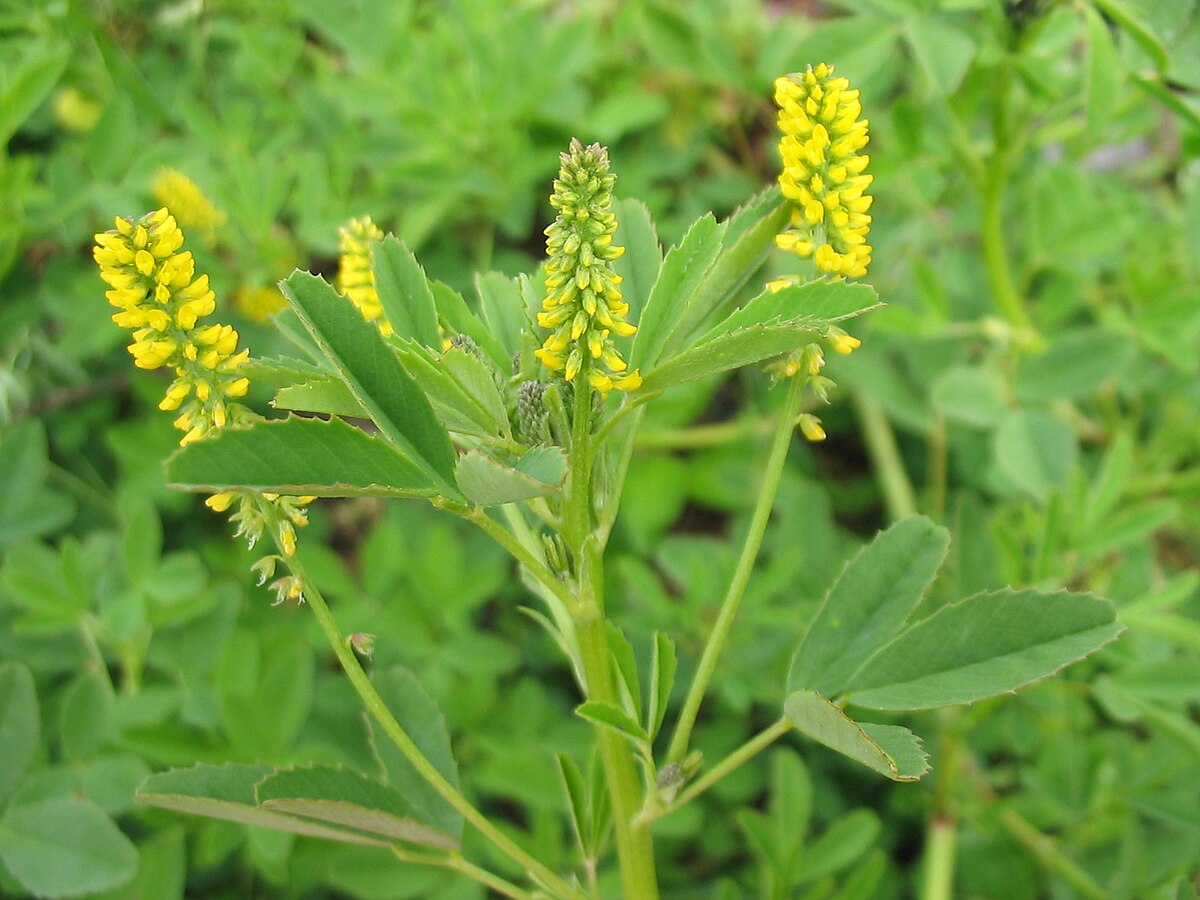
Yellow Blossom Sweet Clover
Yellow blossom sweet clover is a biennial or short-lived legume valued for flowering habitat, nitrogen-fixing potential, strong root growth and use in cover crop and conservation systems. Once established, it can develop substantial top growth and a deep root system while producing abundant yellow flowers that are attractive to pollinating insects.
A Flowering Legume With Strong Cover Crop Potential
Yellow blossom sweet clover can contribute pollinator resources, biological nitrogen fixation, living soil cover and substantial root growth when matched to suitable soil, moisture and management conditions.
Pollinator Resource
Yellow flowers can provide a valuable floral resource for bees and other pollinating insects when plants are allowed to reach bloom.
Biological Nitrogen Fixation
As a legume, sweet clover can fix atmospheric nitrogen when successfully inoculated, established and nodulated.
Deep Root Development
Established sweet clover can develop a strong taproot, making it useful where deeper rooting and below-ground biomass are desirable cover crop characteristics.
Living Soil Cover
A well-established stand contributes vegetative cover that can help protect the soil surface during active growth.
Substantial Second-Year Growth
Biennial sweet clover generally develops vegetatively during establishment and can produce much stronger, taller growth as it approaches flowering.
Multi-Use Planting
It can fit cover crop, habitat, conservation and selected forage systems where its growth habit and management requirements match the project.
Seeding Rate Note: Weaver Seed's current reference range is 10–25 lb/acre, with approximately 20 lb/acre as the recommended target. Final rate should be adjusted for seed form, planting method, seedbed conditions, intended use and whether the sweet clover is planted alone or as part of a mixture.
Cover Crop, Habitat & Soil-Building Applications
Yellow blossom sweet clover is especially useful where flowering habitat and a vigorous legume root system are priorities. Because most yellow sweet clover is biennial, management should account for its ability to become much taller and more productive during the flowering year.
Establishment: Plant shallow into a firm seedbed with good seed-to-soil contact. Small sweet clover seed should not be planted deeply. Establishment success depends on adequate moisture, seedbed preparation and weed competition.
Inoculation: Use compatible sweet clover rhizobia when needed to support effective nodulation and biological nitrogen fixation. Current coated and inoculated seed availability can vary by lot, so confirm seed form with Weaver Seed when ordering.
Pollinator Management: If pollinator habitat is the objective, allow part of the stand to flower before mowing or termination. If volunteer plants are not desired, terminate before mature seed is produced.
Livestock & Hay Management: Sweet clover can be grazed or used as forage under appropriate management, but moldy or improperly cured sweet clover hay can develop dicoumarol and create a serious bleeding risk for livestock. Do not feed moldy sweet clover hay. For livestock applications, manage harvest, curing and feeding practices carefully.
Looking for Yellow Blossom Sweet Clover?
Contact Weaver Seed for current Yellow Blossom Sweet Clover availability, seed form, pricing or help incorporating it into a cover crop, pollinator or conservation seed program.
Request Pricing