
Warm-Season Forage · Hay · Grazing
Piper Sudangrass
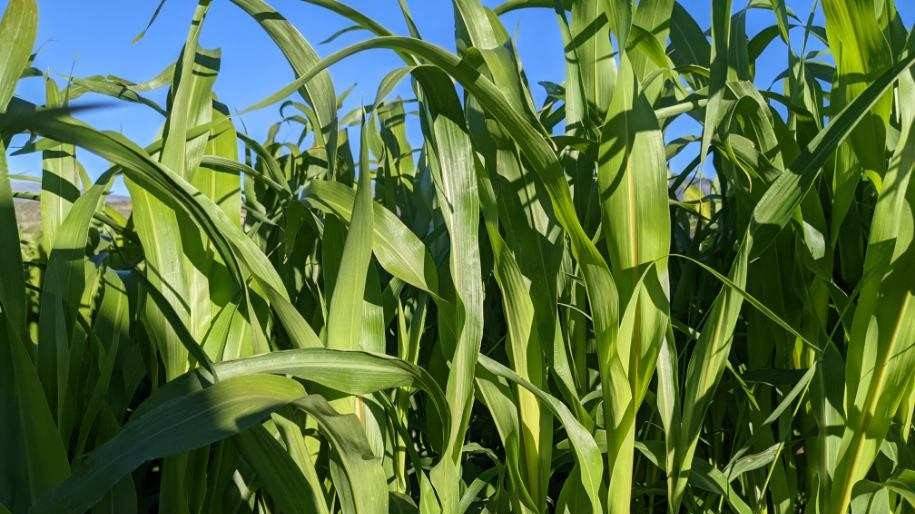
Piper is a true sudangrass variety valued for vigorous warm-season growth, relatively fine stems and dependable regrowth following cutting or grazing. It can be used for pasture, hay, green chop and summer forage production.
Request Availability & PricingSorghum × drummondii
A Proven Warm-Season Forage Grass
Piper is an established true sudangrass variety with broad adaptation and vigorous summer growth. Compared with many sorghum-sudangrass hybrids, true sudangrass generally has finer stems and narrower leaves, making it particularly useful where hay, grazing and repeated forage harvests are important.
Why Use Piper Sudangrass?
A versatile summer annual forage for livestock and warm-season production systems.
Rapid Summer Growth
Vigorous warm-season growth provides productive forage during periods when cool-season grasses may slow down.
Fine-Stemmed Forage
True sudangrass generally produces finer stems and narrower leaves than sorghum-sudangrass hybrids, helping it fit hay programs.
Strong Regrowth
Piper can regrow following cutting or grazing, allowing multiple forage-use opportunities when moisture and growing conditions are favorable.
Broad Forage Use
Suitable for grazing, hay, green chop and other warm-season forage applications.
Agronomic Uses
Where Piper Sudangrass Fits
Piper is well suited to summer forage programs where growers need rapid warm-season growth and the ability to harvest or graze more than once. Its comparatively fine stems also make it a useful option where hay production is an important objective.
Establishment & Management
Manage Piper for Quality & Regrowth
Piper should be planted after soils have warmed and managed according to the intended hay or grazing program. Earlier harvest generally favors forage quality, while leaving adequate stubble after cutting or grazing helps support regrowth. Seeding rate, fertility and harvest timing should be adjusted for local conditions and the intended production system.
Forage Management Note: Piper has lower hydrocyanic acid potential than many commercial sudangrass types, but sudangrass can still accumulate prussic acid or nitrates under certain stress conditions. Use appropriate livestock-management precautions following drought, frost, heavy nitrogen application or other plant stress.
Looking for Piper Sudangrass Seed?
Contact Weaver Seed for current availability, pricing and forage recommendations.
Request Availability & Pricing