
Strawberry Clover
A persistent, low-growing perennial clover valued for irrigated pasture, living groundcover and challenging sites where wet, saline or alkaline soil conditions can limit other legumes. Strawberry Clover spreads by stolons and develops durable perennial cover under favorable moisture conditions.
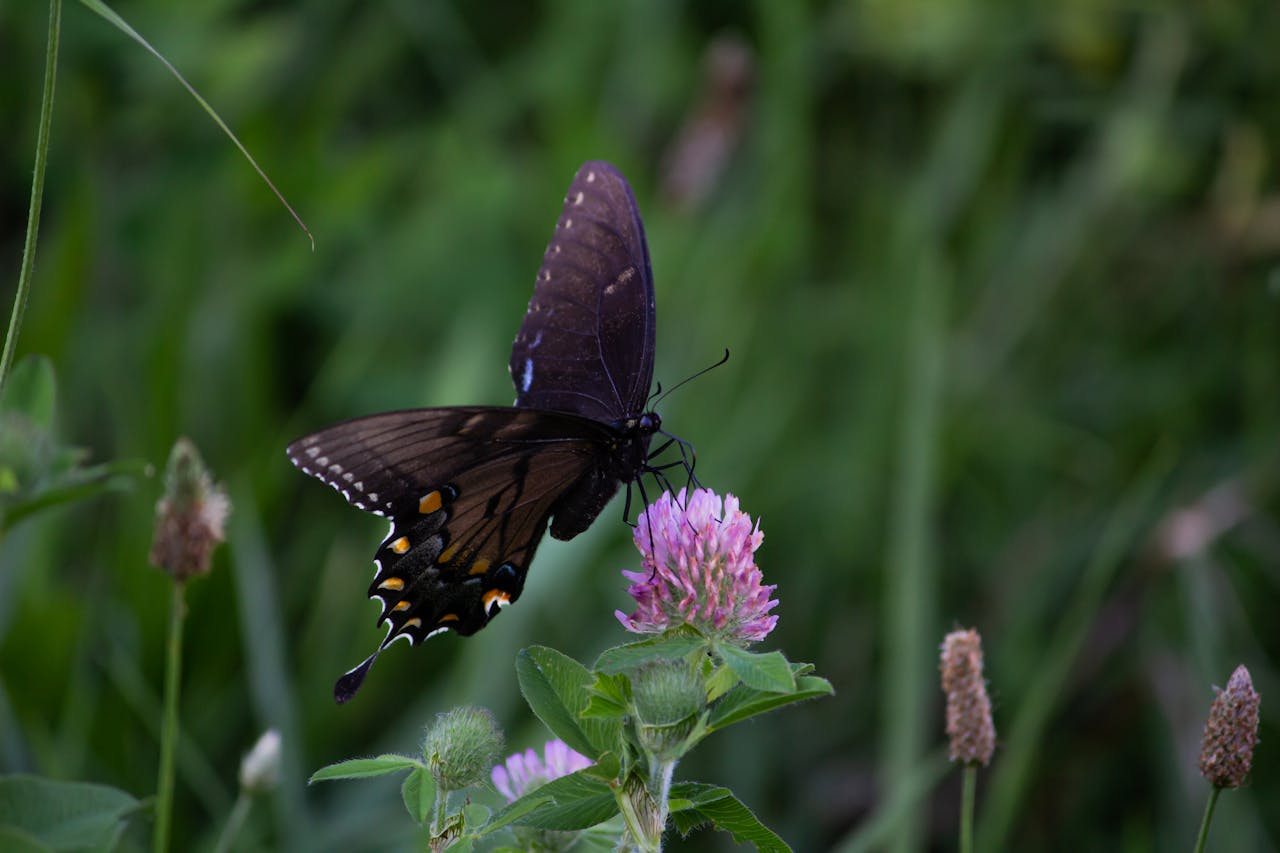
Persistent Clover for Challenging Soil Conditions
Strawberry Clover is a low-growing perennial legume with creeping stems that spread across the soil surface and root at the nodes.
Its major agronomic advantage is its ability to persist under conditions that can limit other clovers. Strawberry Clover has useful tolerance to salinity, alkalinity and periodically wet soils, making it especially valuable in irrigated pasture and perennial groundcover systems.
When effectively inoculated and successfully nodulated, Strawberry Clover can biologically fix atmospheric nitrogen while contributing persistent living cover and forage.
Why Strawberry Clover?
Strawberry Clover should not simply be treated as another version of White Clover. Its strongest advantage is adaptation to difficult soil conditions.
It is especially useful where salinity, alkalinity, periodic wetness or heavy grazing pressure create problems for less tolerant perennial legumes.
What Strawberry Clover Brings to the Field
Nitrogen Fixation
Properly inoculated and successfully nodulated Strawberry Clover can biologically fix atmospheric nitrogen and add productive legume growth to the stand.
Salinity Tolerance
Strawberry Clover has greater tolerance to saline conditions than many commonly planted clovers, making it useful on difficult irrigated soils.
Wet-Soil Tolerance
It can persist under periodically wet conditions and is better suited to imperfectly drained sites than many conventional pasture legumes.
Alkaline Soil Adaptation
Strawberry Clover tolerates alkaline conditions and can provide a perennial legume option where soil chemistry limits more sensitive species.
Persistent Groundcover
Creeping stolons root at the nodes and allow established plants to spread into open areas and maintain low-growing perennial cover.
Grazing Tolerance
Once well established, the low-growing stoloniferous habit allows Strawberry Clover to tolerate grazing and repeated defoliation relatively well.
Where Strawberry Clover Fits
Irrigated Pasture
Adds a persistent perennial legume to compatible grass pastures where reliable moisture supports continued growth.
Saline & Alkali Ground
Particularly useful where salt accumulation or alkaline conditions reduce the persistence of other clover species.
Wet Areas
Fits low areas and imperfectly drained sites that experience periodic wetness during the growing season.
Perennial Groundcover
Creeping growth provides persistent living cover in suitable perennial agricultural and pasture systems.
Strawberry Clover Planting Information
Strawberry Clover has small seed and should be established shallowly into a firm seedbed with good seed-to-soil contact. Adequate moisture is particularly important during germination and early establishment.
Weaver Seed recommends approximately 10–15 lb/acre. Final seeding rate may be adjusted for seed coating, germination, planting method, field conditions and intended use. Avoid planting small clover seed unnecessarily deep.
OMRI-Listed Coating Available
Strawberry Clover can be available with an OMRI-listed seed coating for customers using approved inputs in organic production systems. Contact Weaver Seed for current coated seed availability, lot information and documentation.
Strawberry Clover develops creeping above-ground stems, called stolons, that grow horizontally across the soil surface and can root at individual nodes.
This growth habit allows established plants to spread into open areas, maintain low-growing cover and recover from appropriate grazing pressure.
Where Strawberry Clover Has an Advantage
Strawberry Clover earns its place in a pasture or seed program because it tolerates several conditions that can reduce the performance of other perennial clovers.
Saline Soils
Particularly useful where salt accumulation creates difficult establishment conditions for less salt-tolerant perennial legumes.
Alkaline Soils
Strawberry Clover has useful tolerance to alkaline soil conditions and can fit fields where soil chemistry limits other clovers.
Periodically Wet Soil
Can persist under wet and imperfectly drained conditions that may significantly reduce the performance of other pasture legumes.
Strong Fit for Irrigated Pasture Mixtures
Strawberry Clover can provide the perennial legume component while compatible grasses add upright forage production, fibrous rooting and greater stand diversity.
Perennial Ryegrass
Adds productive, palatable cool-season grass forage and complements Strawberry Clover's low spreading growth.
Tall Fescue
Adds persistent grass growth and durability to irrigated pasture mixtures.
Orchardgrass
Provides productive perennial forage growth in compatible well-managed pasture systems.
White Clover
Can broaden perennial legume diversity where soil conditions support both clover species.
Establish Strawberry Clover for Persistence
Use Compatible Clover Inoculation
Effective biological nitrogen fixation depends on compatible rhizobia and successful root nodulation. Use an appropriate clover inoculant where compatible bacteria are not already established.
Control Competition During Establishment
Established Strawberry Clover can form persistent cover, but young seedlings can be vulnerable to aggressive weed competition. A clean seedbed improves establishment success.
Keep Seed Shallow
Strawberry Clover seed is small. Firm seed-to-soil contact and shallow placement are more important than burying the seed deeply.
Allow Stolons to Establish
Avoid excessive grazing pressure during early establishment. Once plants have developed a strong network of stolons, the stand can tolerate grazing considerably better.
Need Strawberry Clover Seed?
Contact Weaver Seed for current Strawberry Clover availability, OMRI-listed coating options, wholesale pricing, irrigated pasture mixtures and help selecting the right seeding rate for your field.
Contact Weaver Seed