
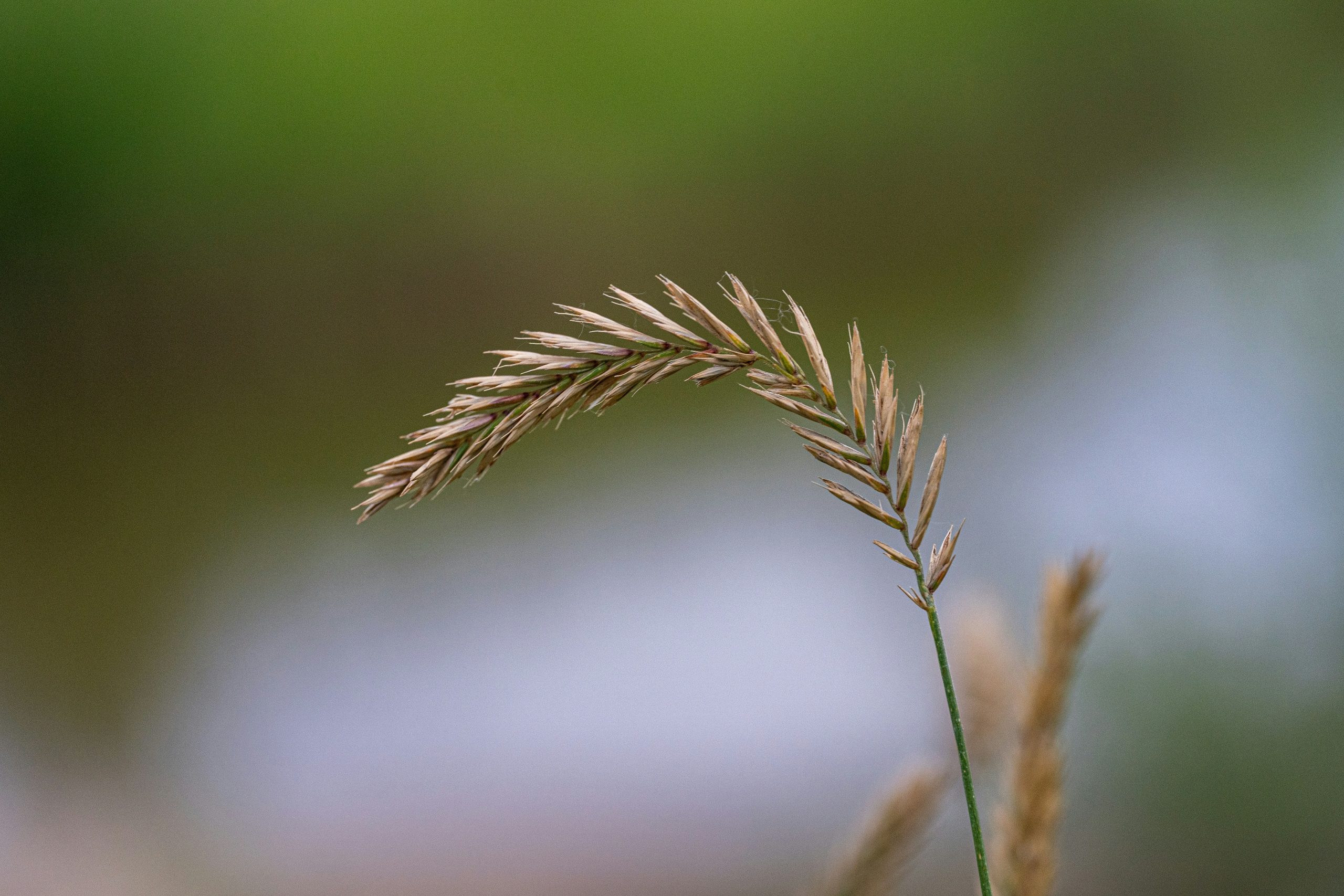
Siberian Wheatgrass
Siberian Wheatgrass (Agropyron fragile) is a long-lived, cool-season perennial bunchgrass adapted to arid and semi-arid forage systems. It is particularly useful where dependable forage establishment and persistence are needed under limited rainfall and drought-prone conditions.
Why Plant Siberian Wheatgrass?
Siberian Wheatgrass is best suited to forage and range programs where drought adaptation, persistence and cool-season growth are important.
Strong Drought Adaptation
Siberian Wheatgrass is particularly well adapted to low-rainfall sites and can remain persistent through extended dry periods once established.
Dryland Forage
Provides a perennial grass option for dryland pasture and range systems where moisture limits the use of higher-input pasture species.
Long-Lived Perennial
Properly established stands can persist for multiple years under suitable range and grazing management.
Cool-Season Growth
Growth is concentrated during cooler portions of the year, allowing forage production to respond to spring and fall moisture.
Range Improvement
Useful in reseeding programs where a persistent perennial grass is needed to restore forage production on suitable dry range sites.
Fine-Leaved Bunchgrass
Siberian Wheatgrass has relatively fine foliage and forms individual bunches rather than spreading by aggressive rhizomes.
Planting Siberian Wheatgrass
Weaver Seed's working seeding rate for Siberian Wheatgrass is approximately 15–20 lb per acre.
Plant into a firm, well-prepared seedbed with good seed-to-soil contact. The Weaver species guide lists a shallow planting depth of approximately 1/8 to 1/4 inch.
Broadcasting followed by light incorporation can be used where appropriate. Successful dryland establishment depends heavily on planting into available moisture or ahead of dependable rainfall.
Rate Note: Seeding recommendations can vary with cultivar, pure live seed percentage, seed lot, planting method and whether Siberian Wheatgrass is planted alone or as one component of a range mixture. Contact Weaver Seed when planning a specific project.
Time Establishment Around Moisture
Siberian Wheatgrass is a cool-season perennial. For dryland systems, planting timing should be coordinated with dependable seasonal moisture rather than the calendar alone.
Fall Planting
Fall planting can be used where seasonal rainfall provides adequate moisture for germination and establishment.
Spring Planting
Spring establishment can also be successful when soil moisture is adequate and seedlings have time to develop before severe summer drought.
Best Uses for Siberian Wheatgrass
Dryland Pasture
A perennial forage option for lower-rainfall pasture systems where drought adaptation is important.
Range Improvement
Useful when establishing perennial grass cover on suitable arid or semi-arid range sites.
Low-Rainfall Forage
Particularly relevant where limited rainfall makes more moisture-demanding forage grasses difficult to maintain.
Range Seed Mixtures
Can be incorporated into compatible range mixtures when its drought tolerance and perennial forage characteristics fit the project objective.
Establish the Stand Before Grazing
Dryland perennial grasses need adequate establishment before significant grazing pressure. Protect young plants while crowns and root systems develop.
Protect Seedlings
Avoid grazing newly seeded stands until plants have developed enough root mass to resist pulling and trampling.
Plant With Rainfall
In dryland systems, coordinate establishment with seasonal rainfall and available soil moisture.
Avoid Continuous Pressure
Managed or rotational grazing can help maintain plant vigor by providing recovery between grazing periods.
Allow Regrowth
Give established plants adequate recovery following grazing, particularly during periods of limited moisture.
Important: Siberian Wheatgrass is an introduced forage species and should not be represented as a California native grass. Where a project specifically requires native vegetation, select an appropriate native species or native range mix.
Looking for Siberian Wheatgrass Seed?
Contact Weaver Seed for current availability, quantities, pricing or help determining whether Siberian Wheatgrass fits your dryland pasture, forage or range-improvement project.
Request Pricing