
Rye Grain
A vigorous cool-season cereal grain valued for rapid fall establishment, winter soil cover, strong biomass production, nutrient capture and weed competition. Rye Grain is one of the most versatile cereal species for cover crops, forage and soil-building mixtures.
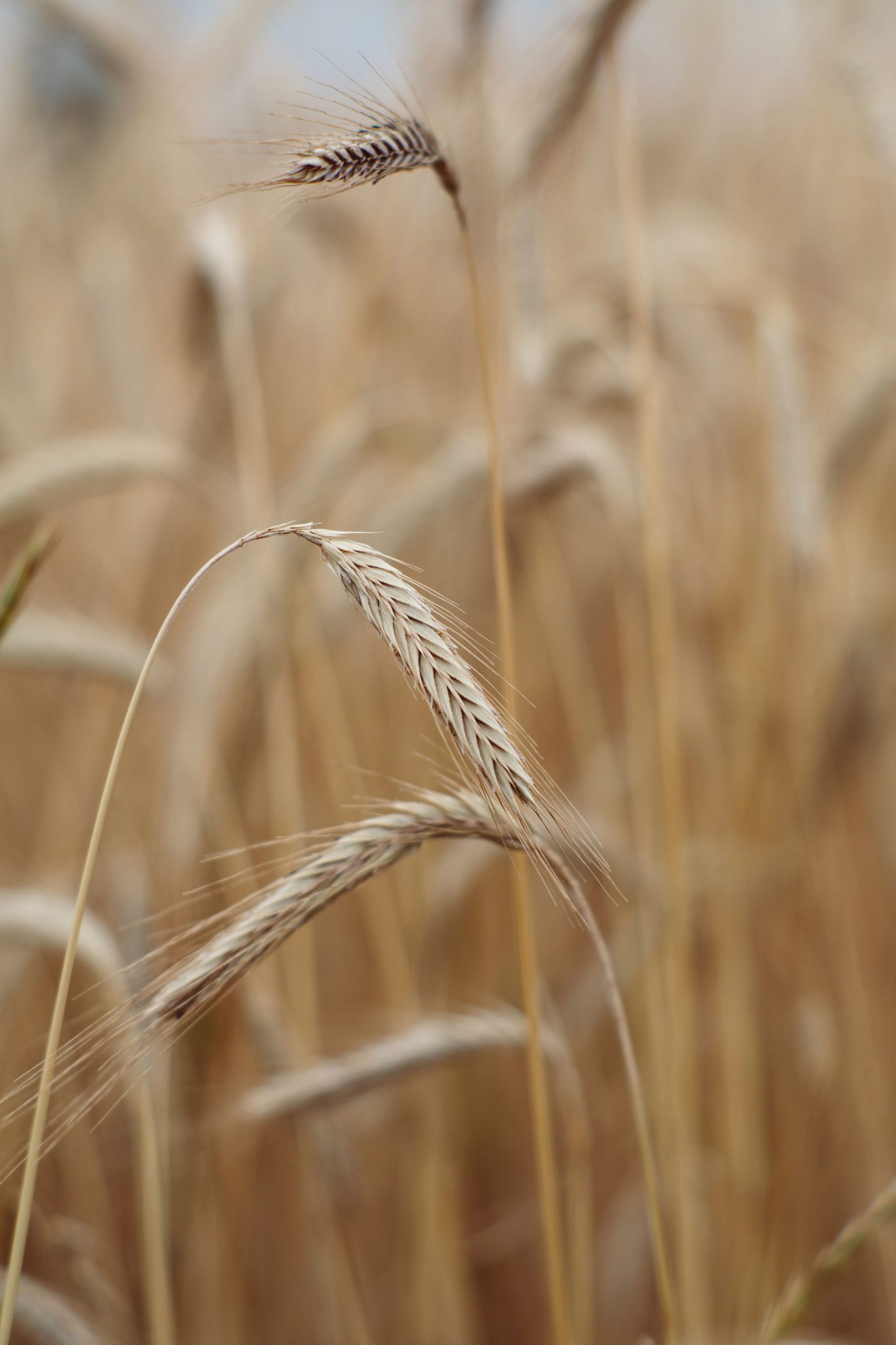
Vigorous Winter Cereal for Cover, Biomass & Forage
Rye Grain, commonly called Cereal Rye, is a large-statured cool-season annual cereal known for dependable fall establishment and vigorous spring growth.
It produces a dense fibrous root system and substantial above-ground biomass, making it particularly useful where winter soil protection, nutrient capture, residue production and weed competition are important objectives.
Rye Grain can be planted as a pure stand or incorporated into mixtures with legumes and other cool-season species. Its upright growth also provides structural support for vining legumes such as vetch.
Rye Grain Is Not Ryegrass
Cereal Rye and ryegrass are completely different products. Rye Grain is Secale cereale, a cereal grain related to wheat and barley.
Annual and perennial ryegrass belong to the genus Lolium and use much lower seeding rates. Customers should not treat them as interchangeable.
Why Plant Cereal Rye?
Strong Biomass Production
Rye can produce substantial cool-season vegetative growth and residue where moisture, fertility and planting date support productive establishment.
Winter Soil Cover
Successful fall establishment maintains living vegetation during periods when fields might otherwise remain exposed.
Nutrient Capture
Active cereal growth can capture available soil nutrients and retain them within plant biomass during the growing season.
Weed Competition
Dense stands and aggressive vegetative growth can compete strongly for light, moisture and growing space.
Fibrous Root System
Cereal Rye develops a dense network of fibrous roots that occupies the upper soil profile and contributes below-ground organic material.
Mix Compatibility
Works especially well with vetches, peas and other annual legumes in diversified cool-season cover crop mixtures.
Where Rye Grain Fits
Cover Crops
Excellent for winter soil cover, biomass production, nutrient capture and residue management.
Orchards & Vineyards
Can provide a productive cereal component in managed winter cover crop mixtures between perennial crop rows.
Forage
Can provide cool-season grazing, green forage or harvested forage when managed at an appropriate growth stage.
Erosion Control
Rapid vegetative development and fibrous rooting can help establish protective cover on susceptible ground.
Rye Grain Planting Information
Rye Grain establishes best when drilled or otherwise placed into a firm seedbed with adequate moisture. It is tolerant of later fall planting compared with many cool-season cover crops, but earlier planting generally allows greater fall development.
Seeding rates are general guidelines for pure stands. Adjust rate for planting date, seed quality, germination, planting method, intended use, soil conditions and whether Rye Grain is planted alone or within a mixture. Later plantings may benefit from increased stand density.
Rye Grain is particularly valuable when the objective is to maintain an active cereal crop through cool conditions and generate significant spring vegetative growth.
Its combination of fibrous rooting, above-ground biomass, nutrient capture and competitive growth makes it one of the most functional cereal species in winter cover crop systems.
Rye Grain and Ryegrass Are Very Different
Similar names create unnecessary confusion. These species have different growth habits, seed sizes, seeding rates and uses.
A large-seeded cereal grain for winter cover, biomass, forage, nutrient capture and cereal-based cover crop mixtures.
A small-seeded grass with dense fibrous rooting, rapid establishment and much lower pounds-per-acre seeding rates.
A perennial cool-season grass used primarily for pasture and turf rather than as an annual cereal grain crop.
Strong Cereal Partner for Annual Legumes
Rye Grain provides upright growth, cereal biomass and fibrous rooting while legumes contribute complementary broadleaf growth and biological nitrogen fixation.
Lana Woollypod Vetch
Rye provides structural support for climbing vetch while contributing cereal biomass and fibrous roots.
Common Vetch
Combines an upright cereal with a vining nitrogen-fixing annual legume.
Forage Peas
Adds productive broadleaf legume growth to the cereal stand.
Annual Clovers
Adds additional legume diversity and nitrogen-fixing potential to winter cover crop mixtures.
Manage Rye Grain With the Following Crop in Mind
Plan Termination Timing
Rye can become tall and produce substantial residue rapidly during spring. Termination timing should account for the following crop, desired biomass level and available soil moisture.
Prevent Unwanted Seed Production
Where volunteer cereal rye is undesirable, terminate the crop before viable seed is produced. This is particularly important in rotations involving other cereal grain crops.
Consider Residue Effects
Mature rye produces high-carbon residue that decomposes more slowly than young vegetative material. Termination stage influences both residue longevity and nutrient availability.
Watch Following Small-Seeded Crops
Dense rye residue and rye-associated allelopathic effects can suppress germination and establishment of some small-seeded species. Rotation and termination timing should be planned accordingly.
Need Rye Grain Seed?
Contact Weaver Seed for current Rye Grain availability, wholesale pricing, cover crop mixtures and assistance selecting the appropriate seeding rate for your operation.
Contact Weaver Seed