
Magnum Oats
A tall, late-maturing forage oat developed for substantial vegetative growth and forage production. Magnum is well suited for hay, livestock forage, cover crops and cool-season seed mixtures where biomass is a major objective.
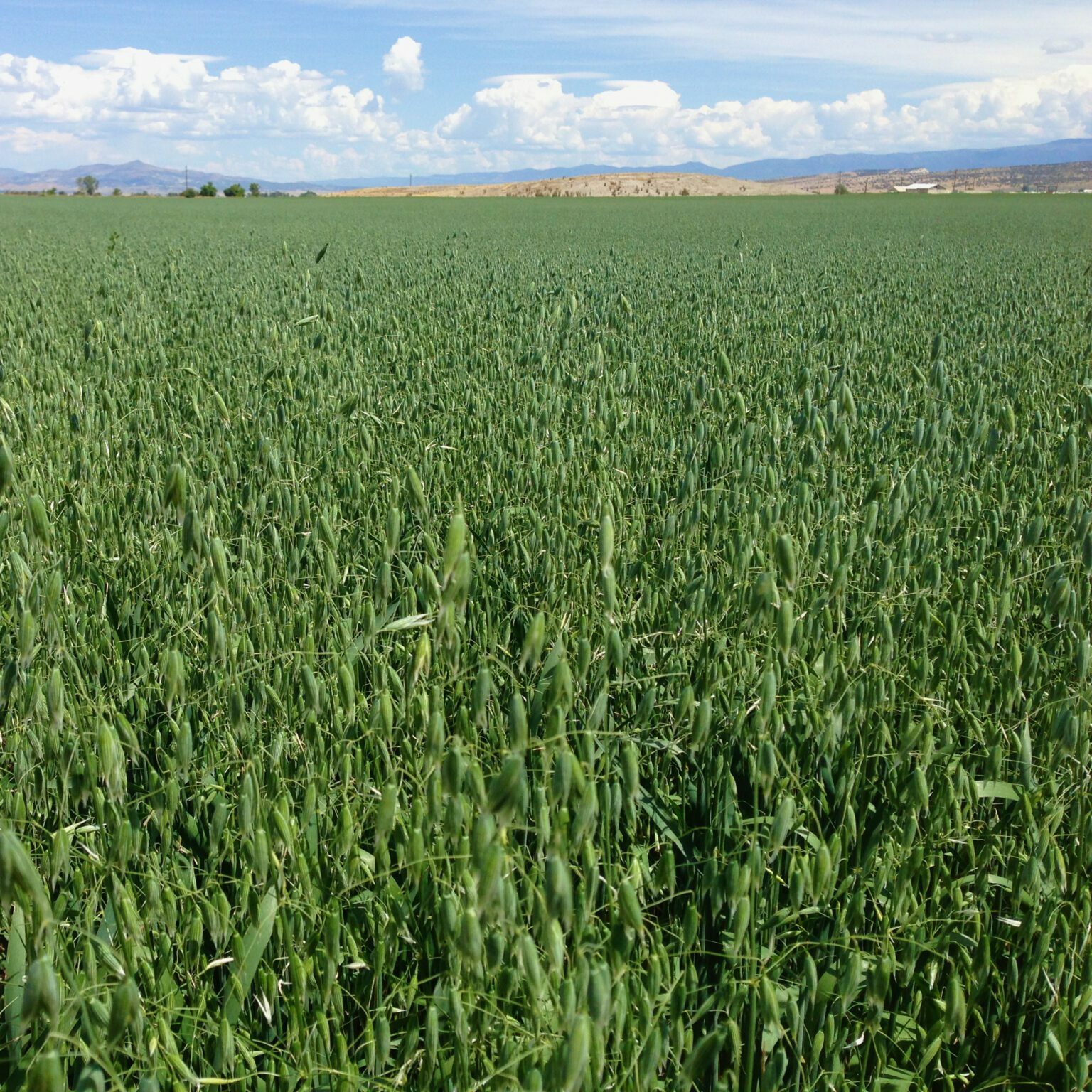
Built for Forage & Biomass
Magnum is a tall spring oat developed primarily for forage production. Its later maturity keeps the crop in vegetative growth longer than earlier oat varieties, providing an extended period for building forage and plant biomass.
Magnum develops tall plants with coarse stems and substantial vegetative growth. These characteristics make it particularly useful for hay, forage and cover crop programs where total biomass production is more important than early grain maturity.
It can be planted as a pure stand or incorporated into mixtures with forage peas, vetches and other cool-season species.
Why Choose Magnum?
Not every oat should be marketed for the same job. Magnum's strength is its combination of tall growth, later maturity and strong forage potential.
For growers who want an oat to produce substantial forage or cover crop biomass before heading, Magnum deserves consideration.
Why Plant Magnum Oats?
High Biomass Potential
Tall, vigorous vegetative growth makes Magnum particularly useful when forage tonnage or cover crop biomass is a primary objective.
Forage-Oriented Variety
Magnum was developed as a forage-type oat rather than simply as a grain-producing variety.
Later Maturity
Later maturity provides a longer vegetative growth period, which can be valuable when maximizing forage or biomass.
Soil Cover
Productive cereal growth provides seasonal canopy and surface residue that can help protect exposed agricultural soil.
Fibrous Roots
Like other cereal oats, Magnum develops a fibrous root system that contributes below-ground biomass and soil aggregation.
Mix Compatibility
Combines effectively with annual legumes to build balanced forage and cover crop mixtures.
Where Magnum Oats Fit
Hay Production
Tall forage-oriented growth makes Magnum a strong option for annual oat hay production.
Livestock Forage
Provides productive cool-season forage for livestock and annual forage systems.
Cover Crops
Adds substantial cereal biomass, residue and fibrous root growth to soil-building programs.
Seed Mixtures
Useful as the cereal component of forage and cover crop mixtures containing legumes.
Magnum Oat Planting Information
Seed Magnum into a firm, prepared seedbed with adequate moisture and good seed-to-soil contact. Adjust the rate according to planting method, field conditions and intended use.
Rates are general Weaver Seed guidelines. Actual seeding rate should be adjusted for seed size, germination, planting method, soil conditions, moisture, intended use and whether Magnum is planted alone or in a mixture.
Magnum's tall stature and later maturity separate it from oat varieties selected primarily for early maturity or grain. Its value is the ability to remain productive vegetatively while building a large forage canopy.
Match the Variety to the Goal
Weaver Seed offers multiple oat options because maturity and growth characteristics matter. The best oat depends on what the grower is trying to accomplish.
Best positioned where tall growth, forage production and high biomass are major priorities.
A productive forage and cover crop oat with strong biomass potential and broad agricultural utility.
Earlier maturing than Magnum and better suited where an earlier oat growth cycle is preferred.
Build a Balanced Forage or Cover Crop
Magnum can provide the grass and cereal biomass component while legumes contribute additional diversity and forage quality.
Forage Peas
Adds productive cool-season legume growth and improves mixture diversity.
Austrian Winter Peas
Provides a vining legume component that can grow alongside the oat canopy.
Common Vetch
Adds nitrogen-fixing legume growth to cereal-based cover crop systems.
Hairy Vetch
Adds another vigorous cool-season legume option for diversified mixtures.
Need Magnum Oats?
Contact Weaver Seed for current availability, wholesale pricing, custom mixtures and help selecting the right oat variety and seeding rate for your operation.
Contact Weaver Seed