
Lana Woollypod Vetch
A vigorous, early-maturing cool-season annual legume widely adapted to California agriculture. Lana Woollypod Vetch provides nitrogen fixation, substantial spring growth and versatile use in orchards, vineyards, cover crop mixtures, range improvement and green manure systems.
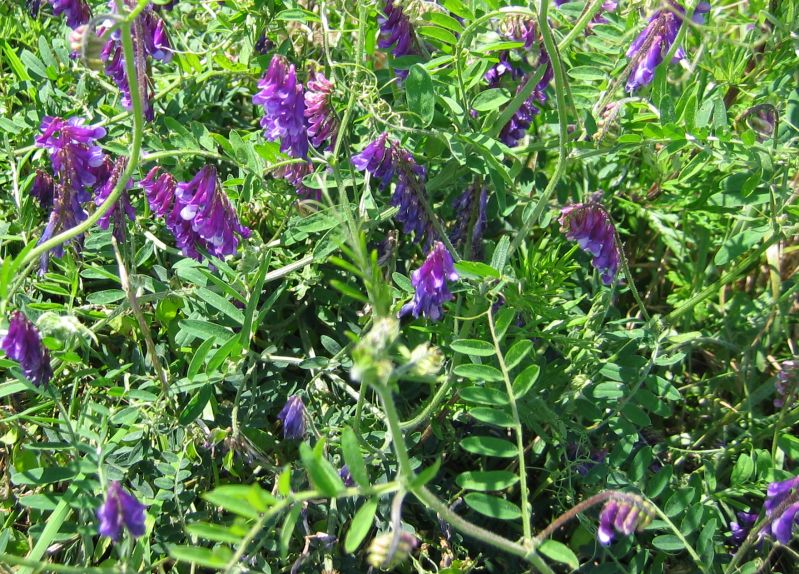
Proven Cool-Season Legume for California
Lana is a named cultivar of woollypod vetch selected for vigorous growth, early maturity and successful adaptation to California growing conditions.
It establishes as a semi-prostrate annual legume and develops trailing, climbing stems that can use cereal grains and other upright plants for support. Most vegetative growth occurs through the cool season and accelerates rapidly in spring.
Lana is particularly valuable where growers want a productive winter legume that contributes biologically fixed nitrogen, organic residue and dense seasonal plant growth.
Why Lana?
Lana is not simply another name for generic vetch. It is a specific woollypod vetch cultivar with a long history of use in California agriculture.
One of its major advantages is earlier flowering and maturity compared with several other commonly planted vetch types, which can be useful when termination timing matters.
What Lana Woollypod Vetch Brings to the Field
Nitrogen Fixation
When effectively inoculated and nodulated, Lana can fix atmospheric nitrogen and build nitrogen-rich legume biomass.
Strong Biomass Production
Vigorous cool-season growth can produce substantial plant material for green manure, residue and soil-building programs.
Earlier Maturity
Lana generally flowers and matures earlier than many other commonly grown vetches, providing another option where spring termination timing is important.
Weed Competition
Dense, vigorous growth can occupy available space and compete strongly with annual weeds when a productive stand is established.
Pollinator Resource
Pinkish-purple flowers provide floral resources for honeybees and other pollinating insects when the crop is allowed to bloom.
Mix Compatibility
Its climbing growth habit works particularly well with cereal grains that provide structural support in diversified mixtures.
Where Lana Woollypod Vetch Fits
Vineyards
A productive winter annual legume for vineyard middles where nitrogen contribution and biomass are important objectives.
Orchards
Useful in orchard cover crop programs as a legume component for seasonal growth, nitrogen fixation and organic residue.
Green Manure
Can produce substantial legume biomass for termination and incorporation ahead of the following crop.
Range & Conservation
Lana has a long history of use in California range improvement, erosion-control and conservation plantings.
Lana Woollypod Vetch Planting Information
Fall planting is generally preferred. Establish seed into adequate moisture with good seed-to-soil contact. Drilling generally provides more consistent establishment than leaving broadcast seed uncovered.
Seeding rates are general guidelines for pure stands. Actual rate should be adjusted for seed quality, planting method, intended use, mix composition, soil conditions and desired stand density. Broadcast seed should generally be lightly incorporated rather than left on the soil surface.
Lana was selected from plant material originally collected in Turkey and developed for California conditions. Its combination of vigorous growth and relatively early maturity helped make it an important woollypod vetch cultivar in Western agriculture.
Not Every Vetch Does the Same Job
Variety and species matter. Lana's key distinction is its combination of woollypod vetch growth characteristics and comparatively early maturity.
Early-maturing, vigorous and well established in California cover crop, range and conservation systems.
A vigorous cool-season vetch generally associated with later maturity and greater cold tolerance than woollypod vetch.
Another annual vetch option used for forage and cover cropping, with a different growth habit and maturity profile from Lana.
Strong Partner for Cool-Season Grasses
Lana's trailing and climbing growth makes upright cereal grains particularly useful companions in forage and cover crop mixtures.
Oats
Provides cereal biomass, fibrous rooting and structural support for climbing vetch growth.
Triticale
Adds vigorous cereal growth and a strong upright component to diversified mixtures.
Barley
Adds fast cereal establishment and additional cool-season biomass.
Annual Ryegrass
Adds dense fibrous rooting and complementary grass growth to legume-based mixtures.
Manage Lana for the Intended Outcome
Use the Correct Inoculant
When nitrogen fixation is an objective, use an appropriate pea/vetch-type rhizobial inoculant unless effective compatible rhizobia are already established in the field.
Plan for Seed Persistence
Lana can produce hard seed and may reseed when allowed to mature. That can be useful in self-reseeding systems, but termination should occur before seed set where volunteer plants are undesirable.
Need Lana Woollypod Vetch?
Contact Weaver Seed for current availability, wholesale pricing, custom cover crop mixtures and help determining the appropriate seeding rate for your operation.
Contact Weaver Seed