
Grain Sorghum
A heat- and drought-tolerant warm-season cereal valued for grain production, crop rotation, summer biomass and wildlife applications. Grain Sorghum combines efficient warm-season growth with the ability to remain productive under challenging summer conditions.
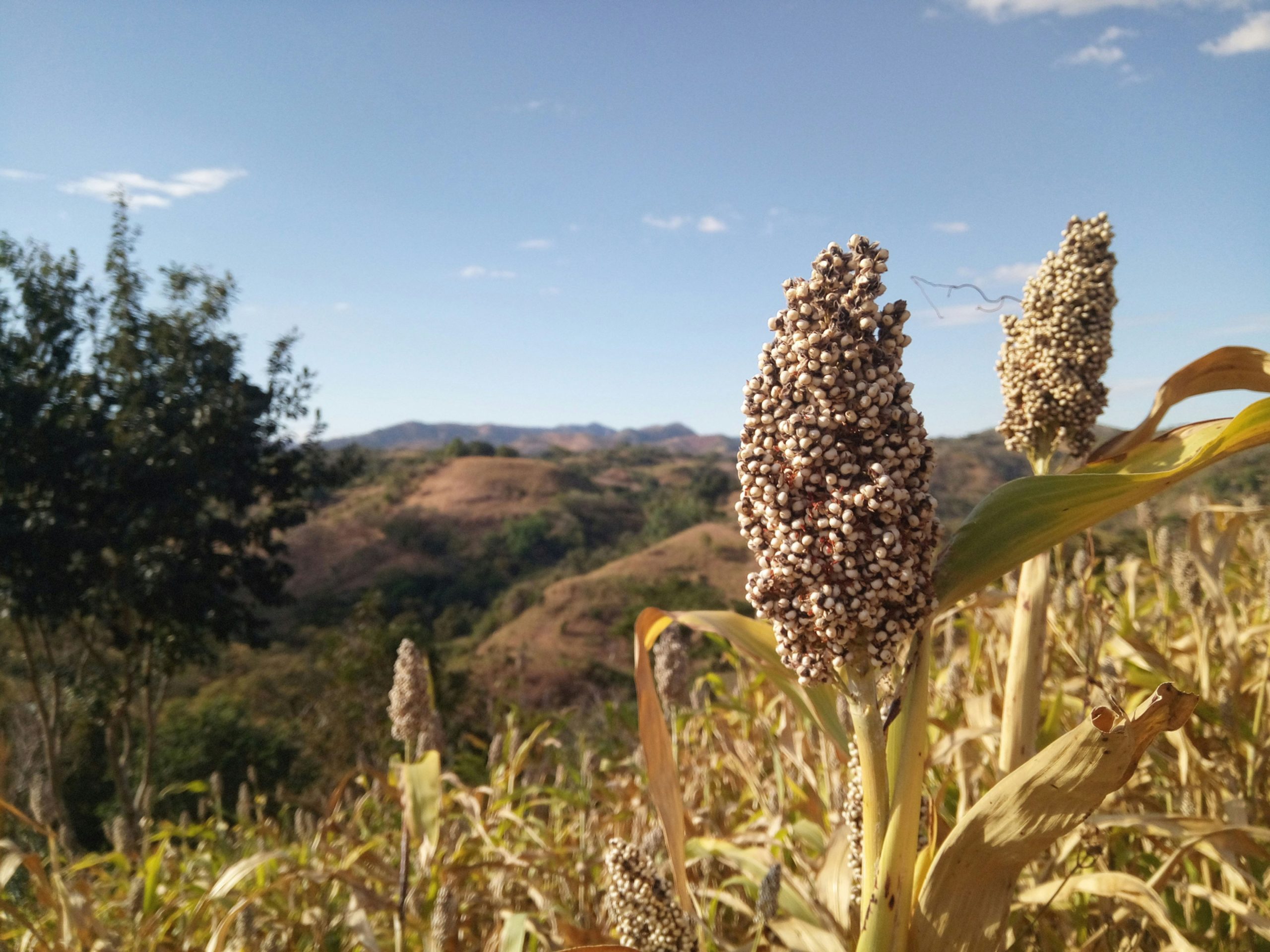
Resilient Warm-Season Cereal for Grain & Rotation
Grain Sorghum is a warm-season annual cereal adapted to hot growing conditions and periods of limited moisture. It is grown primarily for its seed heads and grain, while also contributing meaningful above-ground biomass and crop residue.
Sorghum's ability to tolerate periods of drought and high temperatures makes it useful in cropping systems where summer water availability can limit other annual crops.
Grain Sorghum can also provide another crop family within a rotation, contribute warm-season soil cover and produce seed that is attractive to many wildlife species.
Why Grain Sorghum?
Grain Sorghum fills a different role than forage sorghum or sorghum-sudangrass. Its primary value is production of a harvestable grain head rather than maximum vegetative forage.
That makes it a strong fit where grain production, rotation diversity, wildlife value or a shorter, more manageable sorghum canopy is preferred.
What Grain Sorghum Brings to the Field
Heat Tolerance
Grain Sorghum is well adapted to hot summer conditions and maintains active growth during periods that challenge many cool-season crops.
Drought Resilience
Sorghum is known for its ability to withstand short periods of moisture stress and recover when favorable conditions return.
Grain Production
Produces concentrated seed heads that distinguish grain sorghum from forage-oriented sorghum and sudangrass types.
Summer Biomass
Produces meaningful warm-season plant material and residue while maintaining a more grain-oriented growth habit.
Rotation Diversity
Adds a warm-season grass crop to rotations that may otherwise be dominated by cool-season cereals or broadleaf crops.
Wildlife Value
Mature grain heads can provide a useful food source for doves, game birds and other seed-feeding wildlife.
Where Grain Sorghum Fits
Grain Production
The primary use of grain-type sorghum, producing compact seed heads for harvest at maturity.
Summer Cover Crops
Adds warm-season grass growth, residue and living roots during summer planting windows.
Wildlife Plantings
Mature seed heads provide grain attractive to doves and other seed-eating wildlife.
Crop Rotation
Useful for introducing a heat-adapted warm-season cereal into diversified agricultural rotations.
Grain Sorghum Planting Information
Plant after soils have warmed and frost danger has passed. Sorghum establishes best in warm soil with adequate seed-to-soil contact and consistent seed placement.
Weaver Seed's current working rates are 4–15 lb/acre drilled and 5–20 lb/acre broadcast. Grain Sorghum hybrid seed size can vary considerably, so commercial grain plantings are often better managed by target plant population rather than pounds of seed alone. Adjust rate for hybrid, seed size, germination, moisture conditions, row spacing and production objective.
Grain Sorghum's reputation for drought tolerance does not mean it grows without water. Its advantage is the ability to endure temporary moisture stress better than many other crops and resume productive growth when conditions improve.
Hybrid choice, planting date, plant population and fertility should still be matched to expected moisture availability.
Grain Sorghum, Sorghum-Sudangrass & Sudangrass Are Not the Same
The right sorghum depends on the objective. Grain production, forage tonnage and regrowth are different jobs and should not be marketed as interchangeable.
Best positioned for grain production, wildlife seed, rotation diversity and warm-season cereal growth.
Better suited where very high summer biomass, forage production and aggressive vegetative growth are priorities.
A true sudangrass type better suited to hay, grazing, regrowth and repeated forage utilization.
Add Warm-Season Diversity
When Grain Sorghum is used as part of a cover crop rather than for grain harvest, it can be combined with compatible summer legumes and broadleaf species.
Cowpeas
Adds a warm-season nitrogen-fixing legume with complementary broadleaf growth.
Buckwheat
Adds rapid broadleaf growth, flowering and greater functional diversity to summer mixtures.
Sunflower
Adds an upright broadleaf component with deep rooting and pollinator value when allowed to flower.
Summer Legumes
Legume companions can add biological nitrogen fixation and contrast with sorghum's fibrous grass root system.
Match Population & Management to the Goal
Plant Population Matters
Grain Sorghum seed size varies among hybrids. For commercial grain production, selecting a target population based on moisture availability and yield environment is more precise than relying only on pounds per acre.
Use Caution if Grazed
Sorghum species can develop livestock concerns under certain growth stages and stress conditions. If Grain Sorghum is used for grazing rather than grain or cover cropping, manage it specifically as sorghum forage and evaluate conditions before livestock access.
Need Grain Sorghum Seed?
Contact Weaver Seed for current Grain Sorghum availability, wholesale pricing, wildlife plantings, cover crop applications and help determining an appropriate seeding rate for your operation.
Contact Weaver Seed