
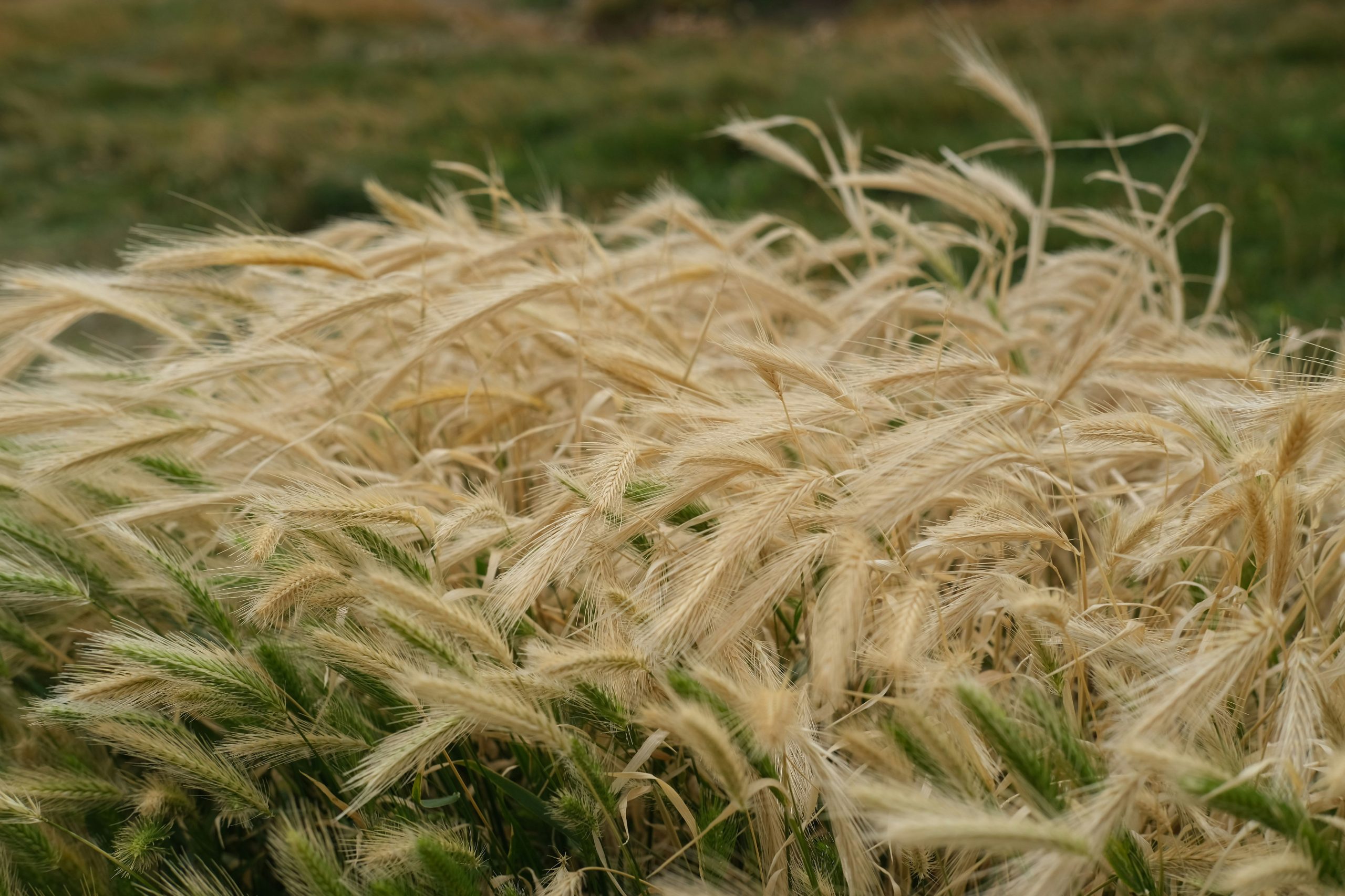
Crested Wheatgrass
Crested Wheatgrass (Agropyron cristatum) is a long-lived cool-season perennial bunchgrass widely used in dryland pasture, range improvement and reclamation plantings. It is valued for early spring growth, strong drought tolerance and dependable persistence under moisture-limited conditions.
Why Plant Crested Wheatgrass?
Crested Wheatgrass is particularly useful where dependable perennial forage and groundcover are needed under dry, low-input conditions.
Drought Tolerance
Crested Wheatgrass is well adapted to dry environments and can persist where limited precipitation restricts more moisture-demanding forage grasses.
Early Spring Forage
It begins growth early in spring and can provide useful forage before many other perennial range grasses become fully active.
Long-Lived Stand
Properly established stands can remain productive for many years under suitable grazing and moisture conditions.
Range Improvement
Frequently used in dryland reseeding projects where dependable perennial grass establishment is the goal.
Weed Competition
Established stands can compete strongly for soil moisture and growing space, helping maintain perennial grass cover.
Soil Protection
Its fibrous root system and perennial canopy can help protect exposed soil on suitable range and reclamation sites.
Planting Crested Wheatgrass
For a full stand, use approximately 10–15 lb per acre, adjusting for seed lot, planting method and site conditions.
Plant into a firm seedbed with good seed-to-soil contact. Keep most seed relatively shallow, generally no deeper than about ½ inch on medium-textured soils.
Fall dormant seeding or early spring planting can work well in dryland environments when establishment is timed around available soil moisture.
Seeding Rate Note: This page uses a bulk-seed rate rather than a Pure Live Seed calculation. Actual rate can vary with germination, purity, variety, planting equipment and whether Crested Wheatgrass is planted alone or as part of a range mixture.
Best Uses for Crested Wheatgrass
Dryland Pasture
Well suited to moisture-limited pasture where drought tolerance and early forage are priorities.
Range Improvement
Useful when establishing persistent perennial grass cover on compatible degraded or low-production range.
Reclamation
Its persistence and drought tolerance make it useful for selected disturbed-site and reclamation projects.
Erosion Control
Perennial rooting and soil cover can help stabilize exposed ground where Crested Wheatgrass is adapted.
Use the Early Growth Window
Crested Wheatgrass is most valuable as forage during its early vegetative growth. Forage quality declines as plants mature and become coarse.
Protect New Stands
Avoid grazing until seedlings are firmly established and have developed sufficient root strength.
Graze While Leafy
Palatability and forage quality are highest during active spring growth before plants become overly mature.
Leave Adequate Stubble
Avoid repeated severe defoliation and leave adequate residual leaf area to support plant recovery.
Provide Rest
Grazing rotation or seasonal deferment can help maintain stand vigor and long-term persistence.
Species Note: Crested Wheatgrass is an introduced species and should not be marketed as a California native grass. It can form dense stands, so use it where a persistent introduced forage grass is appropriate rather than in native restoration projects.
Looking for Crested Wheatgrass Seed?
Contact Weaver Seed for current Crested Wheatgrass availability, quantities, pricing or help determining whether it fits your dryland pasture, range or reclamation project.
Request Pricing