
Cowpeas
A vigorous warm-season annual legume valued for nitrogen fixation, summer biomass, forage production and drought tolerance. Cowpeas are an excellent component of summer cover crop programs throughout warm agricultural regions.
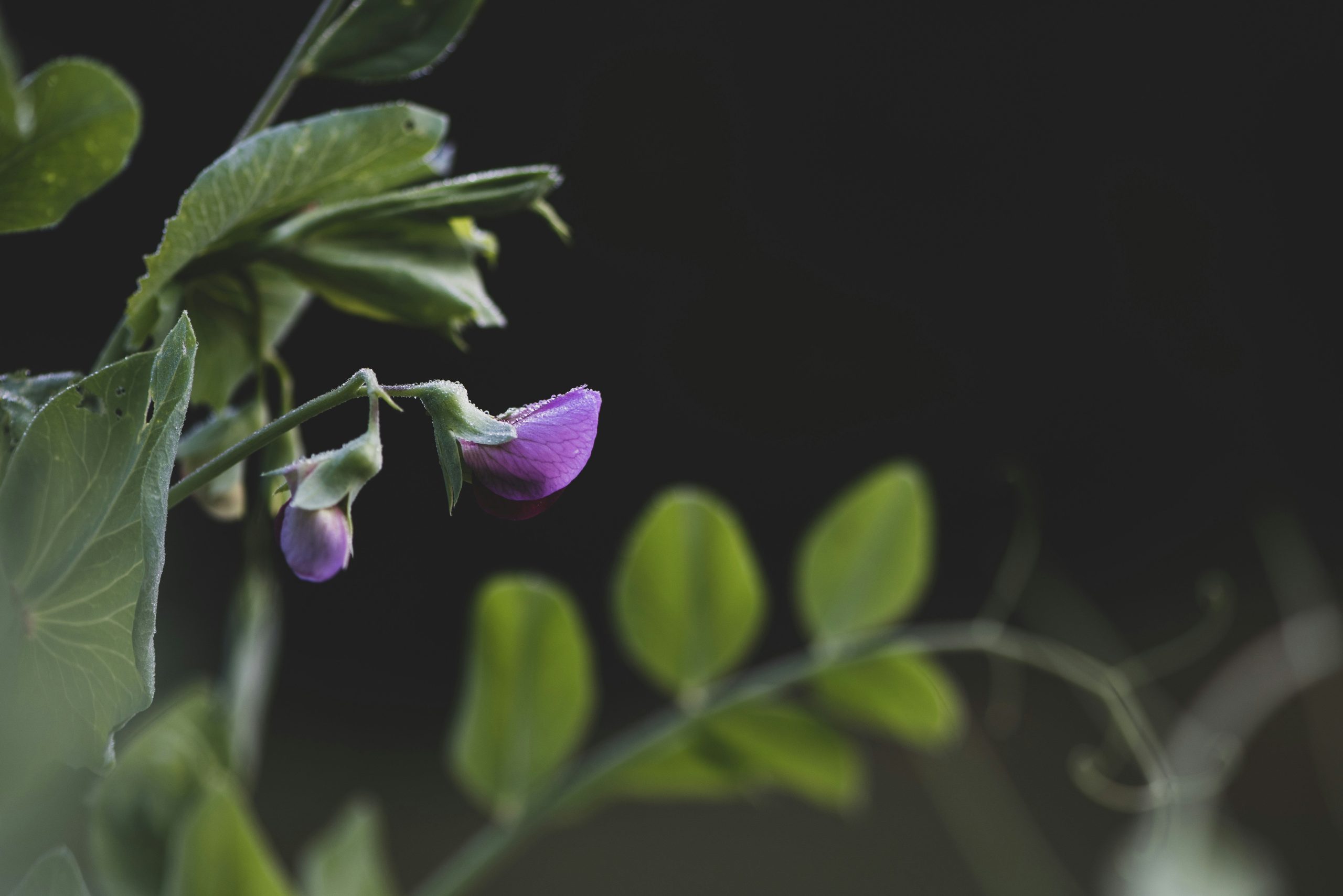
A Powerful Warm-Season Legume
Cowpeas are fast-growing summer legumes that combine productive vegetative growth with biological nitrogen fixation. They are particularly valuable where growers need a warm-season cover crop that can perform under heat and periods of limited moisture.
Cowpeas can be planted alone or incorporated into diverse warm-season mixtures. Their broad leaves, extensive root system and nitrogen-fixing ability make them a versatile option for improving cover crop diversity and complementing warm-season grasses.
Why Cowpeas?
Cowpeas fill an important niche that many cool-season legumes cannot: active growth during warm summer conditions.
When effectively inoculated and nodulated, cowpeas can biologically fix atmospheric nitrogen while producing substantial plant material that contributes to the following cropping system.
What Cowpeas Bring to the Field
Nitrogen Fixation
As a legume, properly inoculated cowpeas can biologically fix atmospheric nitrogen and help increase nitrogen contained in cover crop biomass.
Summer Biomass
Vigorous warm-season growth provides useful plant material for soil cover, green manure and diversified cropping systems.
Heat Adaptation
Cowpeas are well adapted to warm growing conditions and are particularly useful during summer planting windows.
Drought Tolerance
An extensive root system and warm-climate adaptation provide useful drought tolerance once an adequate stand is established.
Forage Value
Cowpeas can provide palatable warm-season forage and can be incorporated into summer forage mixtures.
Mix Diversity
Their legume growth habit pairs particularly well with warm-season grasses and broadleaf cover crop species.
Where Cowpeas Fit
Summer Cover Crops
A strong warm-season legume option for fields between cash crops or during summer fallow periods.
Green Manure
Produces nitrogen-rich legume biomass that can be terminated and returned to the cropping system.
Forage
Can be used for warm-season grazing, hay or as a legume component in annual forage mixtures.
Cover Crop Mixes
Excellent for building diversity alongside grasses and other warm-season cover crop species.
Cowpea Planting Information
Cowpeas should be planted after frost danger has passed and soils have warmed. Establish seed into adequate moisture and provide good seed-to-soil contact for uniform emergence.
Seeding rates are general guidelines. Variety, seed size, planting method, intended use and local field conditions can affect the appropriate rate. Broadcast applications may require higher rates than drilled seedings.
Cowpeas are especially useful as the legume component of warm-season multi-species cover crop mixtures.
Important Establishment Considerations
Consider Legume Inoculation
Effective rhizobial nodulation is important when nitrogen fixation is a primary objective. Appropriate inoculation should be considered when compatible rhizobia are not already established in the field.
Avoid Waterlogged Conditions
Cowpeas tolerate heat and periods of limited moisture well, but are not well adapted to prolonged flooding or poorly drained, waterlogged soils.
Need Cowpea Seed?
Contact Weaver Seed for current availability, wholesale pricing, custom cover crop mixtures and help selecting an appropriate seeding rate for your operation.
Contact Weaver Seed