
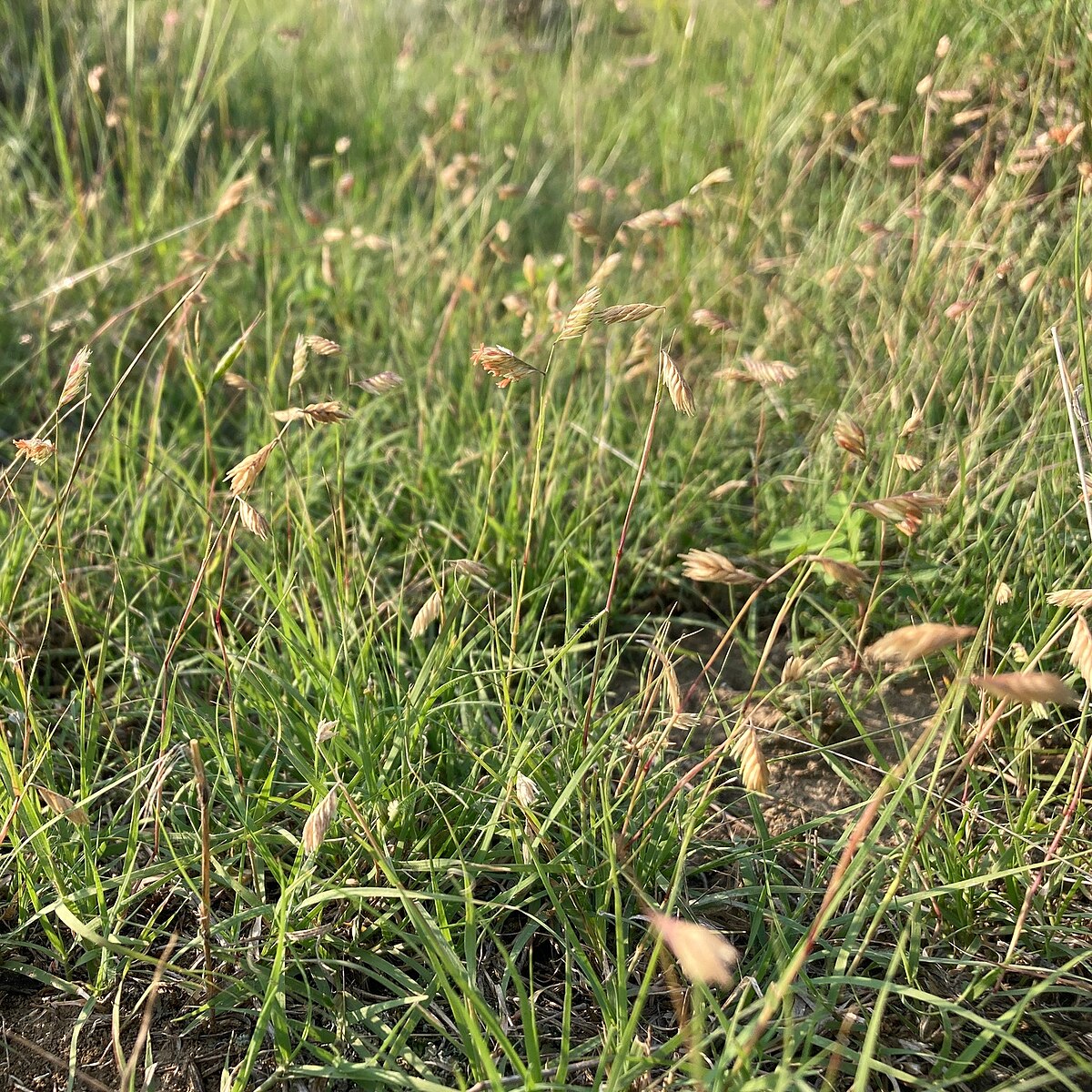
Buffalo Grass
Buffalo grass is a low-growing, warm-season perennial grass valued for heat tolerance, drought resistance and relatively low fertility and mowing requirements. It spreads by stolons to form a sod and is best suited to sunny sites where a lower-input warm-season lawn or ground cover is desired.
Warm-Season Turf With Low-Input Potential
Buffalo grass is best suited to sunny areas where water conservation, reduced mowing and warm-season performance are more important than year-round green color or tolerance to heavy traffic.
Drought Tolerance
Established buffalo grass can survive extended dry periods by reducing growth and entering dormancy until favorable moisture returns.
Heat Adaptation
As a warm-season grass, buffalo grass is most active during warm weather and performs well under summer heat where the site is otherwise suitable.
Low Mowing Requirement
Its naturally low growth habit can reduce mowing frequency compared with more aggressively managed turf species.
Low Fertility Requirement
Buffalo grass generally performs best under modest fertility rather than high-input fertilization programs.
Stoloniferous Growth
Plants spread by stolons, allowing established turf to fill open areas and develop a connected sod over time.
Conservation Value
Buffalo grass can also be used in suitable conservation, range and ground-cover plantings where a short warm-season sod-forming grass fits the site objective.
Sunny, Lower-Input Warm-Season Landscapes
Buffalo grass is a strong option where the goal is a durable, low-growing summer-active grass with reduced irrigation and mowing needs after establishment. It is less suitable where deep shade, constant heavy traffic or year-round green color are primary requirements.
Establishment: For lawn establishment, broadcast approximately 3–5 lb of seed per 1,000 square feet and cover the seed about ¼–½ inch. A drill can also be used where appropriate. Maintain consistent surface moisture during germination and early establishment. Seeding rates for larger conservation or range projects should be based on the seed form, Pure Live Seed (PLS), intended use and local site recommendations.
Planting Season: Buffalo grass is a warm-season species. Establishment is most reliable after soils have warmed in spring and into early summer. Seed planted into cold soil may remain dormant until temperatures are suitable for germination.
Seasonal Dormancy: Buffalo grass naturally turns straw-colored after hard frost and remains dormant through the cool season. Spring green-up occurs later than cool-season turf grasses as soil and air temperatures warm.
Sun & Traffic: Choose a sunny site. Buffalo grass has limited shade tolerance and is not a good fit for areas exposed to constant concentrated foot or vehicle traffic.
California Native Note: Buffalo grass is native to central North America but is not considered a California native grass. Do not use it as a substitute where a project specification requires California native plant material.
Looking for Buffalo Grass Seed?
Contact Weaver Seed for current Buffalo Grass availability, seed form, pricing or help determining whether it fits your turf, ground-cover or conservation project.
Request Pricing