
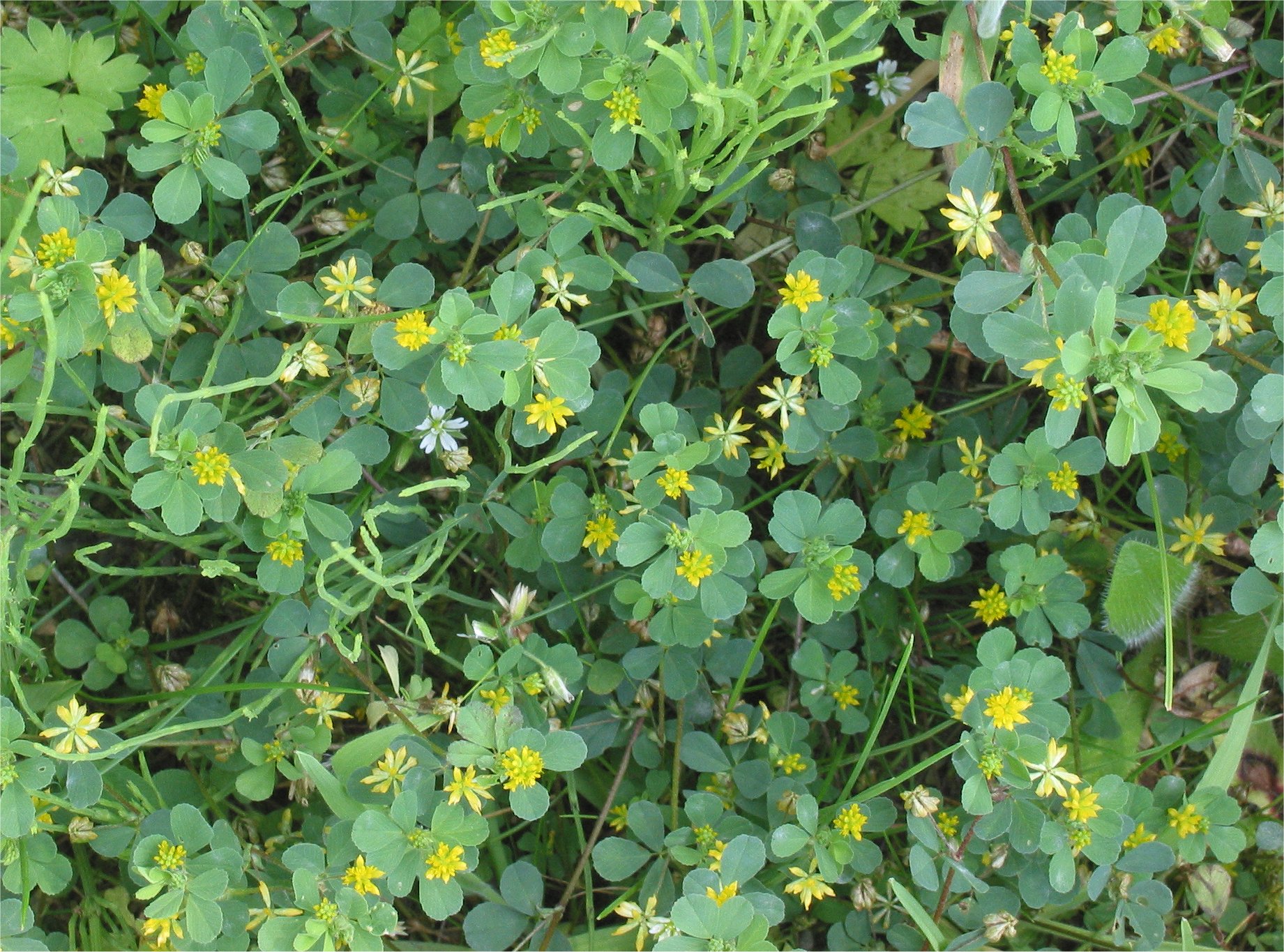
Trefoil
Trefoil is a perennial forage legume valued for pasture diversity, nitrogen-fixing potential and its distinctive yellow flowers. It can be used in irrigated pasture, forage, cover crop and pollinator plantings and is particularly useful where a persistent legume is desired within a managed pasture system.
Why Plant Trefoil?
Trefoil adds perennial legume diversity to pasture and cover-crop systems while supporting forage production, soil cover and flowering habitat.
Pasture Legume
Trefoil can contribute a productive perennial legume component to appropriately managed irrigated pastures.
Nitrogen Fixation
When effectively inoculated and nodulated, trefoil can biologically fix atmospheric nitrogen as part of the pasture soil-plant system.
Pollinator Flowers
Yellow flowers provide a flowering resource for pollinating insects when stands are allowed to bloom.
Persistent Groundcover
Established perennial plants can contribute soil cover and living roots over a longer period than annual forage legumes.
Moist-Site Adaptation
Trefoil can fit pasture sites where periodic soil moisture or less-than-perfect drainage makes some other forage legumes more difficult to maintain.
Salinity Tolerance
Certain trefoil types offer useful tolerance to moderately saline conditions, making site and variety selection important.
Available with OMRI-Approved Coating
Trefoil seed is available with an OMRI-approved coating. Contact Weaver Seed for current coated-seed availability and lot information.
Planting Trefoil
For a straight stand, use approximately 5–10 lb per acre. Lower rates are generally used when trefoil is included as one component of a pasture or forage mixture.
Trefoil has relatively small seed and should be planted shallow, approximately 1/8 to 1/2 inch deep, into a firm seedbed with good seed-to-soil contact.
Fall or spring planting can be used when temperature, moisture and local growing conditions are favorable. The Weaver Species Sheet identifies September and March as primary establishment periods.
Seeding Rate Note: Seeding rate varies with species or variety, seed coating, pure live seed, planting method and whether trefoil is seeded alone or as part of a pasture mixture. Contact Weaver Seed for the appropriate rate for your specific seed lot and use.
Best Uses for Trefoil
Irrigated Pasture
Useful as a perennial legume component in compatible irrigated pasture systems.
Forage Mixtures
Can be combined with compatible pasture grasses to add legume diversity and forage value.
Pollinator Plantings
Its extended yellow flowering period can provide bloom and forage for pollinating insects.
Cover & Soil Protection
Persistent vegetative growth can provide living soil cover in compatible perennial planting systems.
Give Trefoil Time to Establish
Trefoil seedlings establish more slowly than many aggressive pasture species, making seedbed preparation, weed control and early grazing management especially important.
Firm & Shallow
Prepare a firm seedbed and keep seed close to the surface for consistent emergence.
Control Weeds Early
Reduce aggressive weed and companion-crop competition while young trefoil plants become established.
Establish Before Grazing
Allow plants to develop an adequate root system and crown before introducing significant grazing pressure.
Allow Recovery
Use grazing and mowing management that gives plants sufficient recovery and allows occasional flowering where reseeding is desirable.
Site Note: Trefoil performance varies considerably by species or variety, soil type, drainage, salinity, irrigation and companion species. Confirm the specific trefoil variety when matching it to challenging soil conditions.
Looking for Trefoil Seed?
Contact Weaver Seed for current trefoil availability, OMRI-approved coating options, quantities, pricing or help determining the appropriate seeding rate for your pasture, forage or pollinator planting.
Request Pricing