
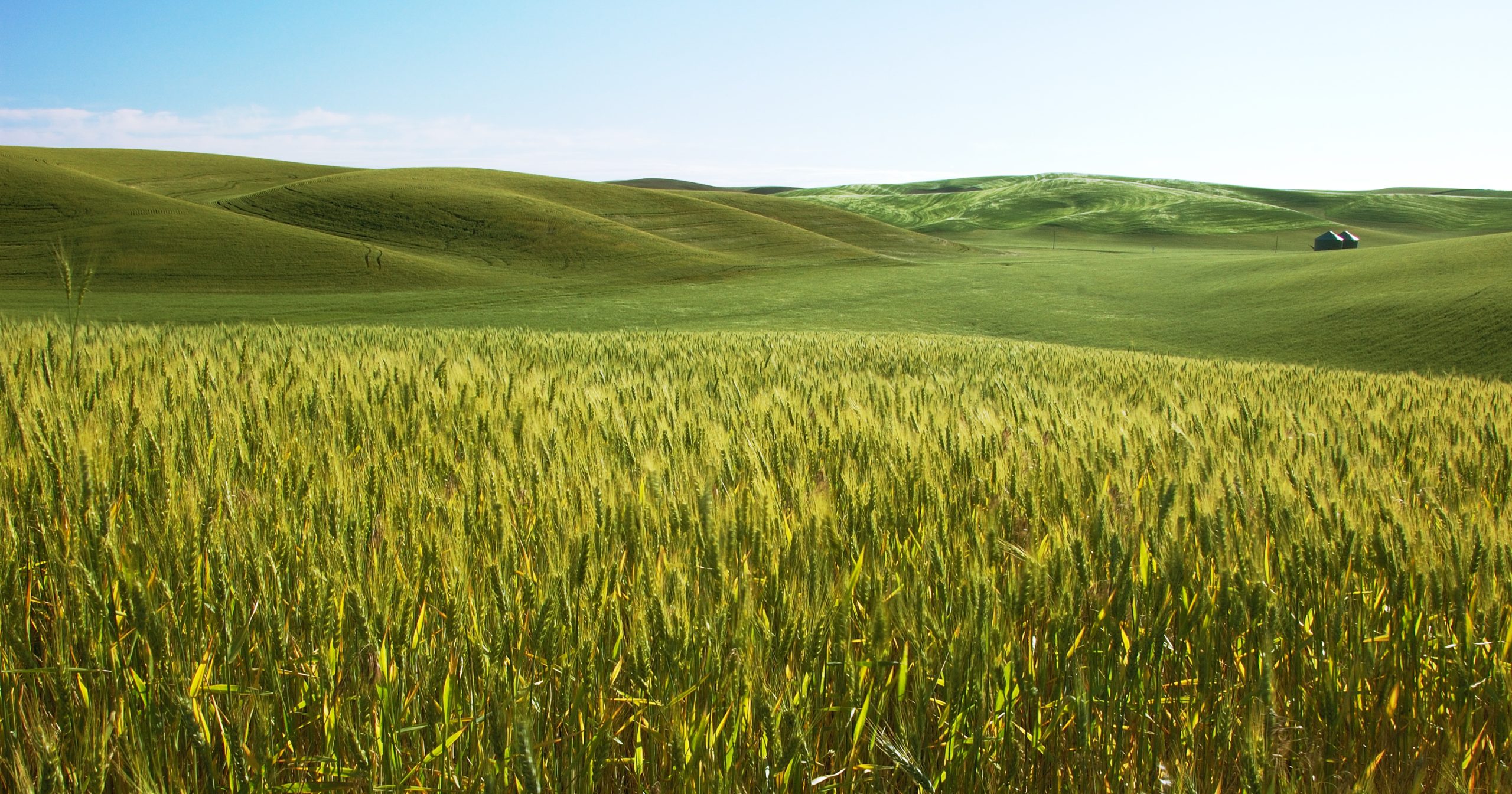
Common Barley
Common barley is a fast-growing cool-season cereal used for cover crops, forage, erosion control and nutrient capture. It establishes quickly under favorable fall conditions and can provide substantial winter and spring biomass while competing strongly with weeds and protecting exposed soil.
Rapid Cereal Growth for Soil Cover & Biomass
Barley is a practical cereal option where fast establishment, seasonal biomass and a dense fibrous root system are useful. It can be planted alone or combined with legumes and other compatible species in diversified cover crop mixtures.
Fast Establishment
Barley can establish rapidly during cool-season planting windows, helping develop early vegetative cover over exposed soil.
Erosion-Control Role
Dense top growth and a fibrous cereal root system make barley useful in erosion-control and disturbed-ground plantings.
Nutrient Scavenging
Active cereal growth can capture residual nutrients from the soil profile and hold them in plant biomass during the cover crop period.
Weed Competition
A well-established barley stand can create a dense canopy that competes with winter weeds for light, moisture and nutrients.
Drought & Salinity Fit
Barley is generally more tolerant of drought and salinity than many cool-season crop species, making it useful on appropriate sites with those constraints.
Mix Compatibility
It combines effectively with peas, vetches, clovers and other compatible species where growers want both cereal biomass and legume function.
Seeding Rate: A practical full-stand cover crop range is approximately 60–90 lb/acre. Final rate should account for variety, seed size, planting method, desired stand density and whether barley is planted alone or as part of a mixture.
Cover Crops, Forage & Erosion-Prone Sites
Barley is a flexible annual cereal for operations that need relatively quick cool-season growth. Its best use depends on the variety, planting date, available moisture and whether the crop is intended for cover, forage, erosion control or a multi-species mixture.
Establishment: Drill barley approximately ¾–2 inches deep depending on soil texture and moisture. Shallower planting is appropriate when dependable moisture is near the surface; slightly deeper placement can help reach moisture in drier or lighter soils. Avoid planting deeper than needed for reliable emergence.
Moisture & Drainage: Barley is comparatively drought tolerant once established and has useful salinity tolerance, but it does not perform well in prolonged waterlogged conditions. Good drainage improves stand performance.
Termination: For cover crop use, terminate before mature grain is produced when volunteer barley is not desired. Mowing can suppress the stand, but barley may continue producing stems and heads after an early mowing. Tillage or an appropriate herbicide program may be needed where complete termination is required.
Forage Use: Barley forage characteristics vary by variety and maturity. Awned types can become less suitable for livestock as heads mature. When forage is the primary objective, confirm the barley type and manage harvest or grazing before mature awns become a concern.
Variety & Organic Availability: Weaver Seed handles multiple barley types and varieties. Conventional and certified organic options may be available depending on the current lot and variety. Confirm the exact barley type, seed status and intended use when ordering.
Looking for Common Barley Seed?
Contact Weaver Seed for current barley varieties, conventional or organic availability, pricing or help selecting the right barley for a cover crop, forage or erosion-control planting.
Request Pricing