
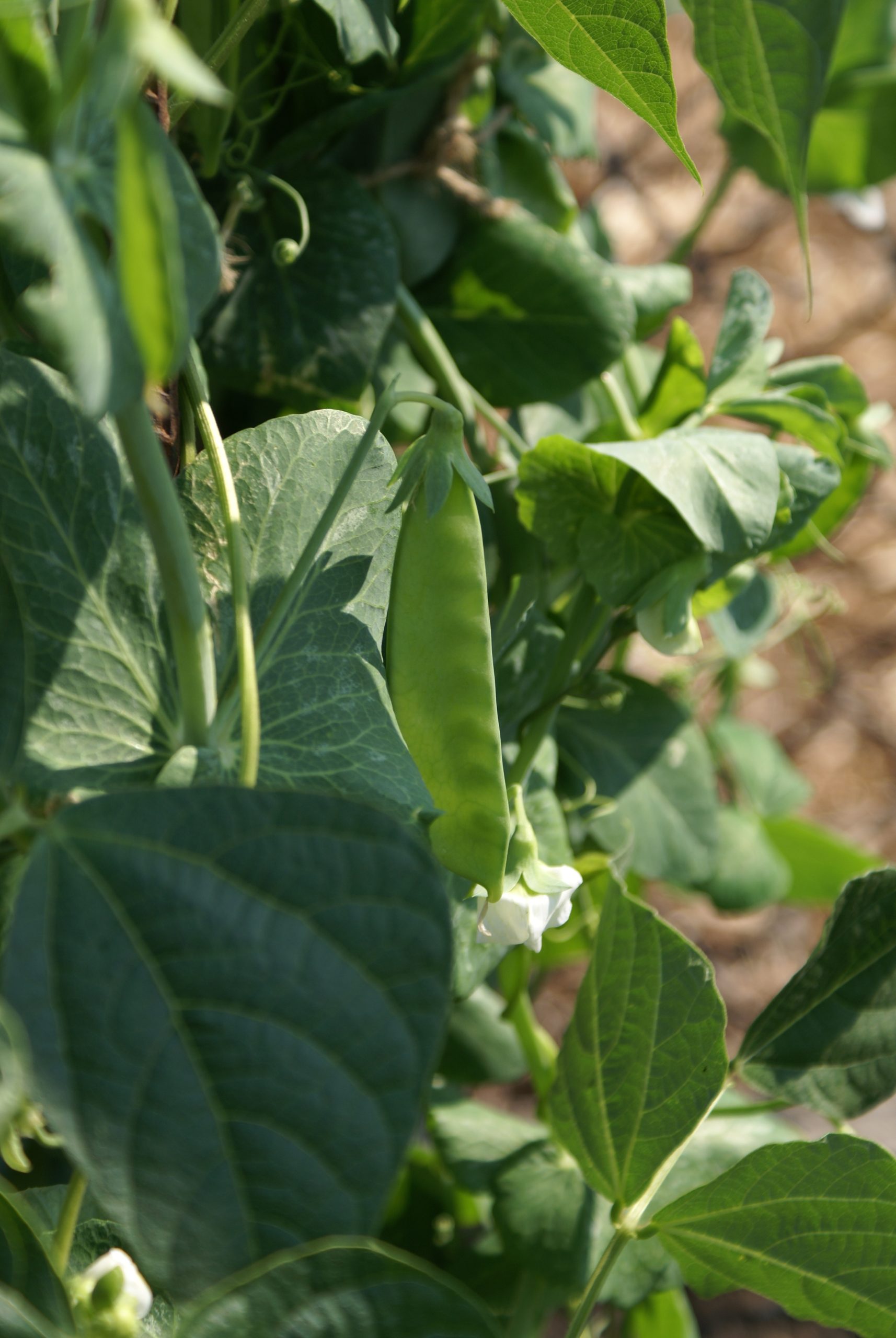
Austrian Winter Peas
Austrian winter peas are a cool-season annual legume used in cover crop, green-manure and forage systems. They produce vigorous vining growth during cool, moist conditions and can contribute substantial biomass and biologically fixed nitrogen when effectively inoculated.
High-Biomass Cool-Season Legume
Austrian winter peas are particularly useful where growers want a large-seeded winter legume that can add biomass, nitrogen-fixing potential and forage value to a cool-season planting.
Biological Nitrogen Fixation
When successfully inoculated and nodulated, winter peas can fix atmospheric nitrogen and contribute nitrogen-rich residue to the cropping system.
Strong Biomass Production
Vigorous vining growth can produce substantial cool-season biomass where moisture, fertility and planting timing are favorable.
Winter Cover
Fall-established stands can provide living cover through the cool season in climates where winter survival is adequate.
Forage Potential
Austrian winter peas can add a high-quality legume component to properly managed small-grain and forage mixtures.
Mix Compatibility
Their vining habit works well with cereal grains that can provide structural support while adding residue and rooting diversity to the stand.
Fast Cool-Season Growth
Under favorable moisture and temperatures, winter peas can develop quickly and become a productive component of fall and winter cover crop systems.
Seeding Rate: A practical pure-stand range is approximately 70–100 lb/acre. Drilled stands are commonly planted toward the lower portion of that range, while broadcast plantings may require additional seed to compensate for less consistent placement. Lower rates are used when Austrian winter peas are part of a multi-species mixture.
Cover Crops, Green Manure & Forage Mixtures
Austrian winter peas are best suited to cool-season systems where adequate soil moisture is available and the grower wants a productive annual legume. They can be planted alone or paired with cereals and other compatible cover crop species.
Establishment: Plant into a firm, well-prepared seedbed with good seed-to-soil contact. A planting depth of approximately 1–2 inches is a practical starting point for most field conditions. Avoid very shallow placement when surface soil is likely to dry quickly, but do not plant deeper than needed to reach dependable moisture.
Inoculation: Effective nitrogen fixation requires compatible pea/vetch rhizobia. Use the appropriate inoculant when seed is not already inoculated, and confirm current seed treatment or inoculation status before planting.
Winter Survival: Austrian winter peas are selected for improved cool-season and winter performance compared with spring-type peas, but survival still depends on cultivar, planting date, plant development, temperature, snow cover and site conditions.
Termination: For cover crop use, termination timing should reflect the next crop and the desired balance between biomass production, nitrogen contribution and residue management. Earlier termination generally produces more succulent residue, while later growth can increase biomass and vine volume.
Forage Management: When used for forage, introduce livestock only after the stand is adequately established and manage grazing or harvest timing around the companion crop, field conditions and intended forage quality.
Looking for Austrian Winter Peas?
Contact Weaver Seed for current Austrian Winter Pea availability, pricing or help incorporating winter peas into a cover crop, green-manure or forage mixture.
Request Pricing